.svg)




Battery energy storage systems are now central to the UK's net zero strategy, with over 69GW of BESS capacity approved nationally. But every system installed today is a future decommissioning job, and the first wave of installations is already approaching the end of its 10 to 15 year life. As that volume grows, end-of-life BESS is becoming one of the most technically demanding waste streams a business can hold.
For developers, asset owners and operators, a BESS doesn't stop being your responsibility when it stops earning. Until it is safely de-energised, dismantled and recycled, it carries regulatory, environmental and serious safety risk. Here's what UK operators need to know.
What's Inside a BESS, and Why Recycling It Is Complex
A grid-scale or commercial BESS is far more than a stack of batteries. A typical system contains:
- High-voltage lithium-ion modules, usually NMC or LFP chemistry
- Inverters and power conversion systems (PCS)
- Transformers, switchgear and cabling
- Thermal management and cooling infrastructure
- Containerised enclosures and racking
Each of these is a different material stream with a different recycling route. The battery modules are the most valuable and the most hazardous part: chemistry matters, with NMC modules typically carrying higher recovery value than LFP, which can sometimes incur a recycling charge. Enclosures, switchgear, transformers and cabling can often be reused or recycled through conventional routes, but only once the system has been made safe.
Why BESS Decommissioning Is High-Risk Work
BESS decommissioning is not a job for a general waste contractor. Two hazards dominate.
Thermal runaway. Lithium-ion modules can enter thermal runaway, reaching temperatures above 600°C in seconds, if damaged or mishandled. A single compromised cell can trigger a chain reaction across a module.
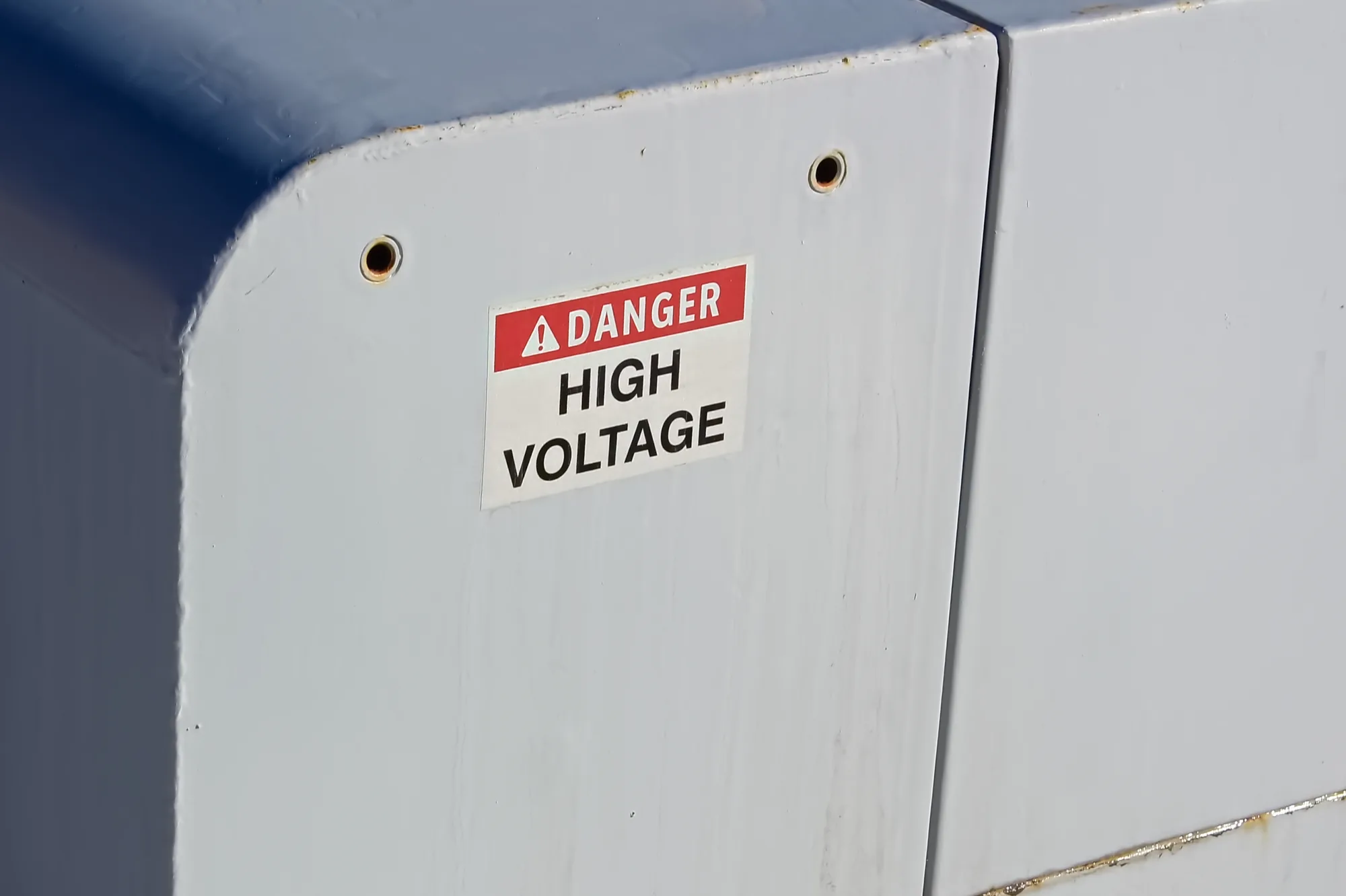
Stored electrical energy. BESS operate at dangerously high voltages, and even after grid disconnection, capacitors and modules can retain a lethal charge. Safe discharge and controlled dismantling by HV-trained operatives working to rigorous risk assessments and method statements (RAMS) is essential.
Transporting the modules adds another layer: damaged or end-of-life lithium batteries are subject to ADR dangerous-goods rules for road transport, with specific packaging, labelling and documentation requirements.

Your End-of-Life Responsibilities
BESS recycling in the UK currently sits under the Waste Batteries and Accumulators Regulations 2009, alongside the general duty of care that applies to all waste producers. In practice, the operator or asset owner needs to know who holds producer responsibility for the batteries, ensure every movement is properly documented, and use only permitted carriers and treatment facilities.
The regulatory direction of travel is towards more responsibility, not less. The EU's new battery regulation (Regulation (EU) 2023/1542) is being phased in between 2024 and 2028, introducing measures such as the battery passport, recycled-content requirements and tighter recovery targets. UK-based operators with EU exposure, and the UK market more broadly, should expect end-of-life standards to rise. Planning decommissioning into a project from the outset, rather than treating it as an afterthought, is increasingly the sensible commercial position.
What Good BESS Decommissioning Looks Like
A safe, compliant decommissioning follows a clear sequence:
- De-energise. Isolate all electrical and mechanical energy sources, disconnect from the grid, and safely discharge remaining charge.
- Dismantle. Controlled removal of modules, inverters, transformers and ancillary equipment by trained personnel.
- Assess for second life. Modules with remaining capacity may be suitable for repurposing rather than recycling, maximising value.
- Separate into material streams. Batteries, metals, electronics and enclosures each routed to the correct recycling pathway.
- Recover critical materials. Lithium-ion modules processed to recover black mass and metals including lithium, cobalt, nickel, manganese, copper and aluminium.
Done properly, decommissioning protects people, keeps critical raw materials in the circular economy, and produces the documentation you need to prove compliant disposal.
How Waste Experts Handles BESS Recycling
Waste Experts is one of the few UK companies with both the in-house capability and external accreditation to treat high-voltage lithium batteries in the waste stream. Our BESS recycling and decommissioning service covers the full process for UK operators: ADR-compliant lithium-ion collection, safe discharge and dismantling by HV-trained operatives working to detailed RAMS, and recovery of critical materials, with full Duty of Care documentation on every job.
As a permitted AATF and Approved Battery Treatment Operator, we treat the batteries at our own facility rather than passing them along a broker chain, and we work with UK partners including The Royal Mint to recover black mass and precious metals, keeping critical resources in the circular economy. The same high-voltage recycling capability supports related infrastructure, and sits alongside our work in renewable energy waste and solar panel recycling, the other end-of-life challenges facing energy-sector operators.
The UK's storage boom guarantees a decommissioning boom behind it. End-of-life BESS is high-voltage, high-value and high-risk. It is not a job to hand to a general contractor. The operators who plan for it early, document it properly, and use an accredited specialist will manage the cost, the safety and the compliance far better than those who don't.
If you're planning a decommissioning, repowering or end-of-life programme, contact Waste Experts to discuss your site, or explore our BESS recycling service in more detail.