.svg)





The fluorescent tube is on its way out. Under the Restriction of Hazardous Substances (RoHS) rules, the sale of new fluorescent lighting in Great Britain has been phased out, leaving facilities managers with two linked problems: replacing fittings before spares run dry, and disposing of the old tubes compliantly. Because fluorescent tubes contain mercury, that disposal is not as simple as putting them in the bin.
The Fluorescent Phase-Out, Explained
The phase-out has rolled out in stages under RoHS, which restricts hazardous substances, in this case mercury, in electrical equipment:
- From 1 September 2023, T8 linear fluorescent tubes were banned from sale in Great Britain.
- From 1 February 2024, T5 fluorescent tubes (along with remaining compact fluorescent and long-life T8 types) were banned from sale.
This doesn't mean existing tubes are illegal to use. You can run them until they fail. But new stock is no longer manufactured or sold, so replacements and control gear are becoming harder and more expensive to source. For any site still running fluorescent lighting, the question is no longer if you switch to LED, but when, and what you do with the old tubes when you do.
Why Fluorescent Tubes Are Hazardous Waste
Every fluorescent tube and compact fluorescent lamp contains a small amount of mercury, a toxic heavy metal, along with phosphor powder. That makes them hazardous waste, and it's the reason they must never go in general waste, mixed recycling or a skip.
When a tube is broken, as inevitably happens when lamps are thrown into a general bin and compacted, mercury vapour is released, posing a risk to waste workers and the environment. As lamps are also classified as WEEE, putting them in general waste breaches both the WEEE Regulations and the Hazardous Waste Regulations. For the wider list of items that can't go in your general bin, see our guide to what you can't put in general waste.
How to Dispose of Fluorescent Tubes Compliantly
Fluorescent tubes need to be handled, stored and collected as hazardous waste. The key controls are:
- Store tubes intact and upright in their original sleeves or a dedicated tube container. Purpose-made storage protects against breakage and mercury release.
- Don't crush or break tubes to save space. Deliberately breaking lamps is unsafe and non-compliant.
- Keep them separate from general waste and other recycling.
- Use a licensed carrier and ensure each collection is accompanied by the correct hazardous waste documentation.
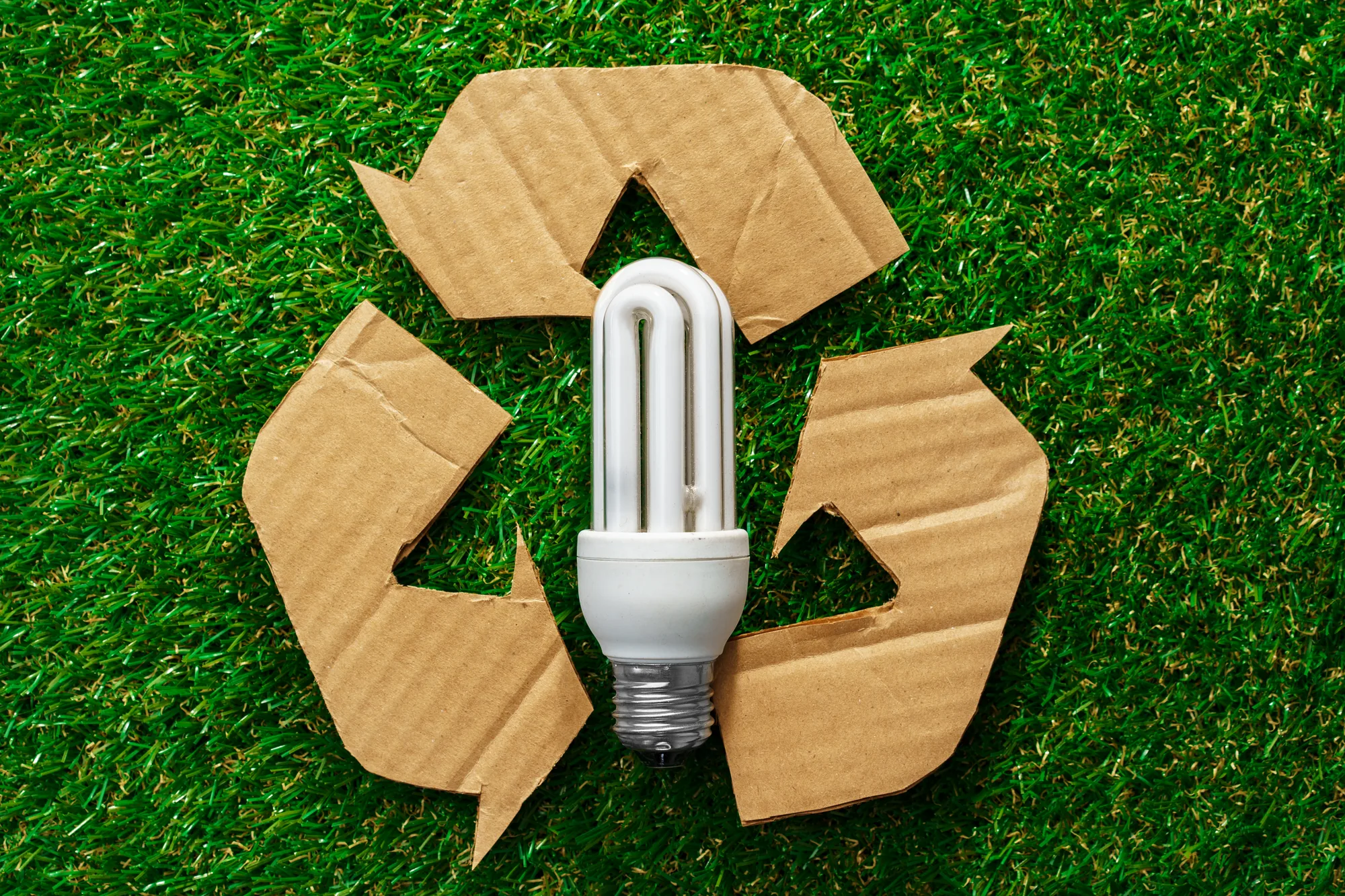
At a specialist lamp recycling facility, tubes are processed to separate and safely capture the mercury, with the glass, phosphor powder and metal end caps recovered for recycling. Almost all of a fluorescent tube can be recycled when it's handled correctly, and none of the mercury ends up in the environment.
The Switch to LED: A Compliance Problem and an Opportunity
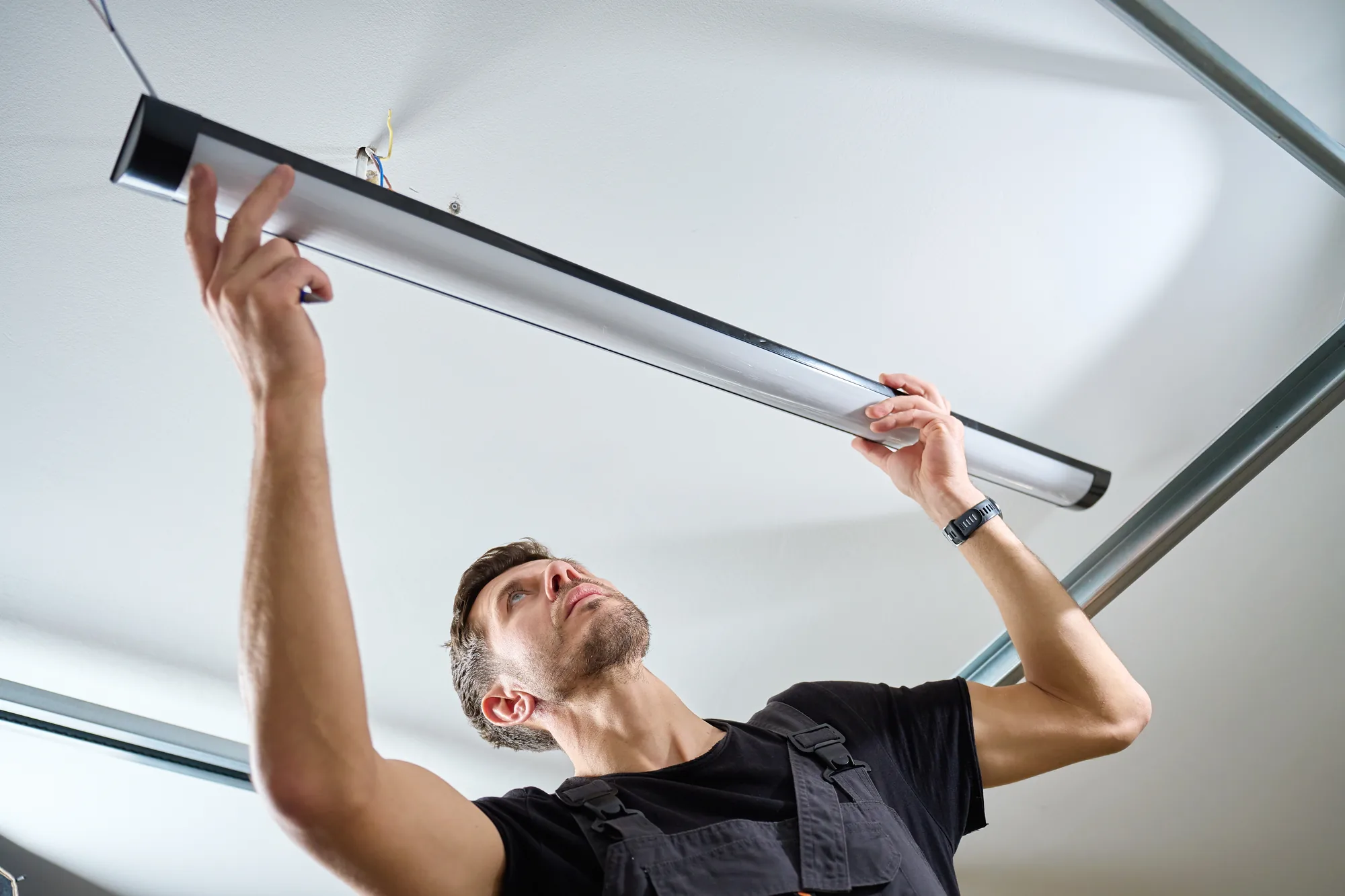
The phase-out is a nuisance, but it's also a genuine opportunity. LED replacements use far less energy and last much longer, and around two-thirds of luminaires now sold in Britain are already LED. For businesses, the switch cuts energy bills and carbon emissions, useful for ESG reporting and net zero commitments, and removes a hazardous material from the building entirely.
A planned upgrade also lets you deal with the old tubes in one controlled, documented batch rather than a trickle of failed lamps over the years, which is far simpler to manage compliantly.
How Waste Experts Handles Lamp Recycling
Waste Experts provides compliant lamp and fluorescent tube recycling for businesses, backed by our status as a fully permitted AATF licensed to treat all categories of WEEE, including mercury-containing lamps. We supply dedicated, breakage-resistant tube containers for your site, collect on a schedule that suits you, and provide the Hazardous Waste Consignment Note and Duty of Care documentation for every collection, accessible through our customer portal.
Whether you're clearing a single store cupboard of dead tubes or running a site-wide LED retrofit, we'll handle the old lighting compliantly, so the tubes leave site through a properly documented route alongside any other hazardous waste you produce.
Fluorescent lighting is being withdrawn, but the tubes already in your ceilings will be around for a while yet, and every one is hazardous waste. Store them intact, keep them out of general waste and skips, and use a licensed specialist who can capture the mercury and document the disposal.
Planning an LED upgrade or just need your old tubes gone compliantly? Contact Waste Experts for a free assessment, or get a quote online.