.svg)





Lithium-ion batteries power almost everything in a modern workplace: laptops, phones, power tools, forklifts, e-bikes, backup systems and countless devices with a battery quietly sealed inside. They are also the fastest-growing fire hazard in the UK waste stream, and most businesses are storing and discarding them without realising the risk.
The numbers are stark. Battery fires in UK bin lorries and at waste sites reached more than 1,200 in the last year, a 71% increase on the 700 recorded in 2022, according to Material Focus. Around 94% of local authorities now report that battery fires in the waste stream are a growing challenge, and the Environmental Services Association estimates these fires cost the UK over £100 million a year. The National Fire Chiefs Council has called the incorrect disposal of lithium-ion batteries a disaster waiting to happen.
For any business that produces battery waste, which is virtually all of them, this is now a duty of care and fire safety issue, not just an environmental one.
Why Lithium-Ion Batteries Catch Fire
The danger comes from a process called thermal runaway. When a lithium-ion cell is damaged, crushed, punctured, overheated or short-circuited, it can enter a self-sustaining chemical reaction that rapidly generates heat and flammable gases. Once it starts, it is extremely difficult to stop. These fires burn hot, reignite without warning, and release toxic fumes.
This is exactly what happens inside a waste vehicle or sorting line. A single battery hidden in a bin bag, compacted by a bin lorry or crushed on a picking belt, can ignite the dry, flammable material packed around it. Fires can burn for hours or even days, closing roads and recycling sites and putting waste operatives at serious risk.
The Risk Is Hiding in Plain Sight
Most businesses think of batteries as the loose AAs in a drawer. The real problem is the 1.1 billion electrical items containing hidden lithium-ion batteries thrown away in the UK each year, devices people don't even register as batteries.
Common workplace items with embedded lithium-ion cells include:
- Laptops, tablets, phones and wireless peripherals
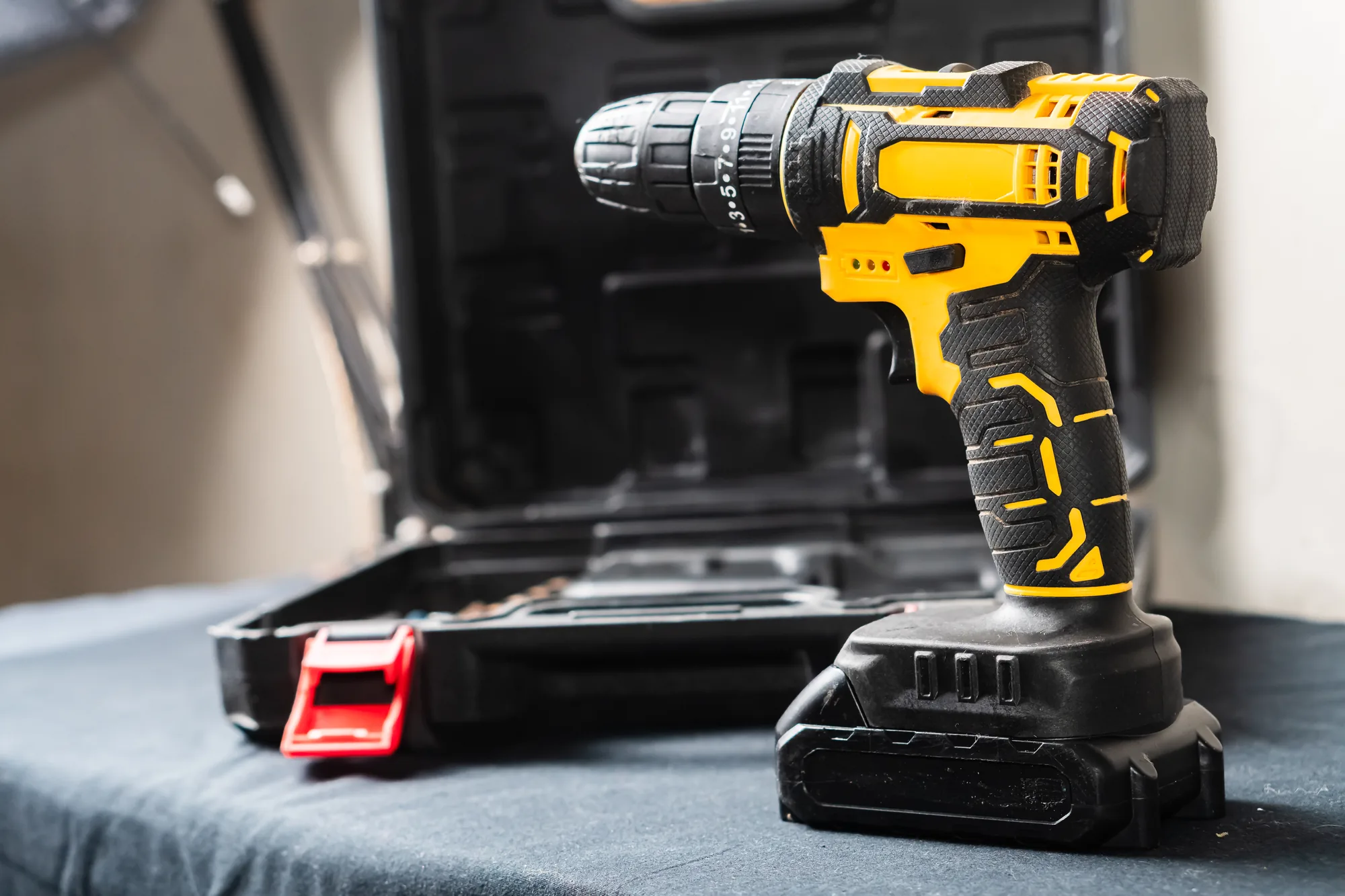
- Cordless power tools and their battery packs
- Disposable and rechargeable vapes
- Emergency lighting and UPS backup units
- Handheld scanners, lone-worker devices and two-way radios
- E-bikes, e-scooters and mobility equipment
- Bluetooth speakers, headsets and smart devices
The vape problem alone is significant: even after the single-use vape ban came into force on 1 June 2025, millions are still binned every week, and one major operator reports roughly one fire a day across its fleet and facilities. If these devices end up in general waste or mixed recycling, every one is a potential ignition source.
What the Law Requires
Waste batteries are classified as hazardous waste, and their handling is governed by the Waste Batteries and Accumulators Regulations 2009. Combined with your duty of care under the Environmental Protection Act 1990, this places clear obligations on every business:
- Keep batteries out of general waste. They must be separated and collected by a licensed carrier for treatment at a permitted facility.
- Don't mix waste streams. Mixing hazardous waste, including batteries, with general waste is a specific criminal offence under the Hazardous Waste Regulations.
- Keep your documentation. Battery collections should be accompanied by the correct transfer or consignment paperwork, retained as evidence of compliant disposal.
Handing waste to an unauthorised carrier doesn't transfer the risk. Under duty of care, your business remains liable for what happens to that waste, even if you acted in good faith. For the full picture on documentation and your responsibilities, see our guide to the waste duty of care.
How to Store Batteries Safely Before Collection
The period between a battery being discarded and being collected is where most workplace incidents happen. A few simple controls dramatically reduce the risk:
- Use a dedicated, non-combustible container kept away from flammable materials and exits.
- Tape the terminals of loose lithium and larger batteries, or bag them individually, to prevent short circuits.
- Never crush, puncture or stack heavy items on batteries, and remove any that are swollen, leaking, hissing or hot. These are signs of a failing cell.
- Store damaged batteries separately in a fire-resistant container and arrange prompt collection.
- Keep quantities low by scheduling regular collections rather than letting batteries accumulate.
Train staff to recognise which devices contain batteries, particularly the hidden ones, so they never end up in the general waste bin in the first place.
How Waste Experts Handles Lithium Battery Recycling
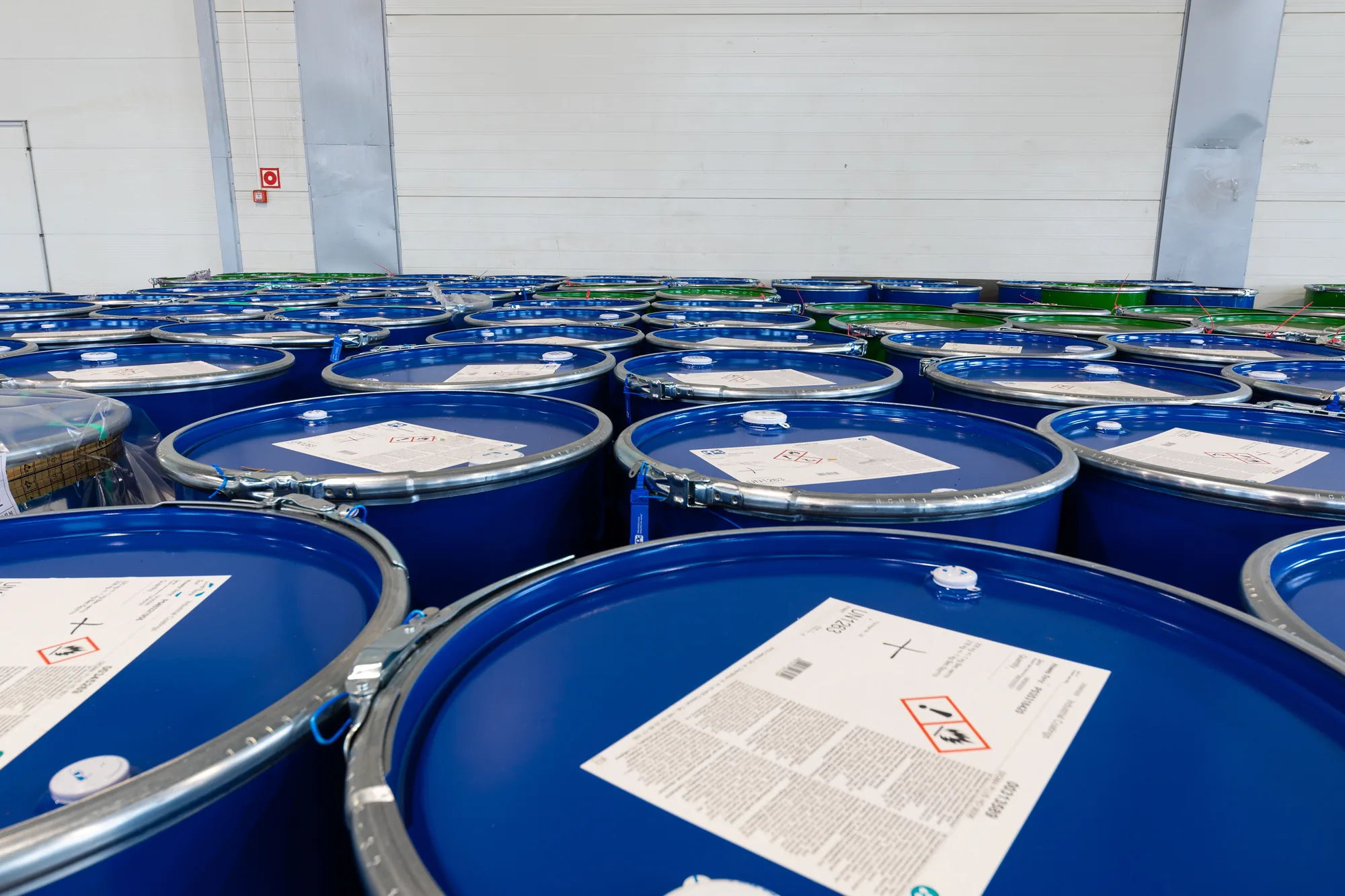
Waste Experts is an Approved Battery Treatment Operator (ABTO) and a fully permitted Approved Authorised Treatment Facility (AATF), recognised by the Environment Agency as a benchmark best-practice installation. We collect and treat all battery chemistries, including lithium-ion, lead-acid and nickel-cadmium, with full Duty of Care documentation on every collection.
We provide the right storage containers for your site, schedule collections to keep on-site quantities (and fire risk) to a minimum, and treat batteries at our own facility rather than passing them down a chain of brokers. For higher-risk, higher-voltage work, our high-voltage recycling capability covers everything up to and including battery energy storage systems.
Because batteries are so often hidden inside electrical equipment, battery recycling sits alongside our wider WEEE and electrical waste recycling service, so a single collection can deal with the devices and the cells inside them. This is also why incorrect battery disposal remains one of the most common causes of fires in bins and at recycling plants.
Lithium-ion batteries are not going away. They are multiplying, and so is the fire risk attached to getting their disposal wrong. The good news is that the controls are straightforward: keep batteries out of general waste, store them safely, separate damaged cells, and use a licensed, permitted operator for collection and treatment.
Contact Waste Experts for a free waste audit. We'll identify the battery and electrical waste your site produces, supply the right storage, and put compliant collections in place, protecting your people, your premises and your paperwork. You can also grab a quote online.
Batteries Piling Up on Site?
We supply fire-safe containers, collect on ADR-compliant transport and treat every chemistry at our own permitted facility as an Approved Battery Treatment Operator.
See Our Battery Recycling Service