.svg)




General waste sounds like a catch-all: the bin for everything that isn't obviously recyclable. It isn't. A surprising number of everyday business items are legally prohibited from general waste because they're hazardous, regulated under a specialist recycling scheme, or dangerous to the people and machinery that process waste downstream.
Get it wrong and the consequences are real: refused collections, contamination charges, and, because of your duty of care under the Environmental Protection Act 1990, potential liability for how your waste is ultimately handled. Here's what should never go in your general waste, and where it should go instead.
Why Certain Items Are Banned From General Waste
Items are restricted from general waste for three main reasons:
- They're hazardous. They can harm human health or the environment, and are controlled under the Hazardous Waste (England and Wales) Regulations 2005.
- They fall under a specialist scheme, such as the WEEE Regulations for electricals or the Waste Batteries Regulations for batteries.
- They create a processing or safety risk, such as items that can explode, leak, or start fires when compacted, crushed or sorted.
Mixing any of these with general waste isn't just bad practice. Mixing hazardous waste with non-hazardous waste is a specific criminal offence.
Items That Must Never Go in Your General Waste
Electrical and electronic equipment (WEEE). Anything with a plug, battery or cable, from laptops and monitors to kettles and power tools, is covered by the WEEE Regulations 2013 and must be recycled through approved WEEE channels. Equipment that has held data carries the added requirement of certified destruction, covered in our IT asset disposal guide.
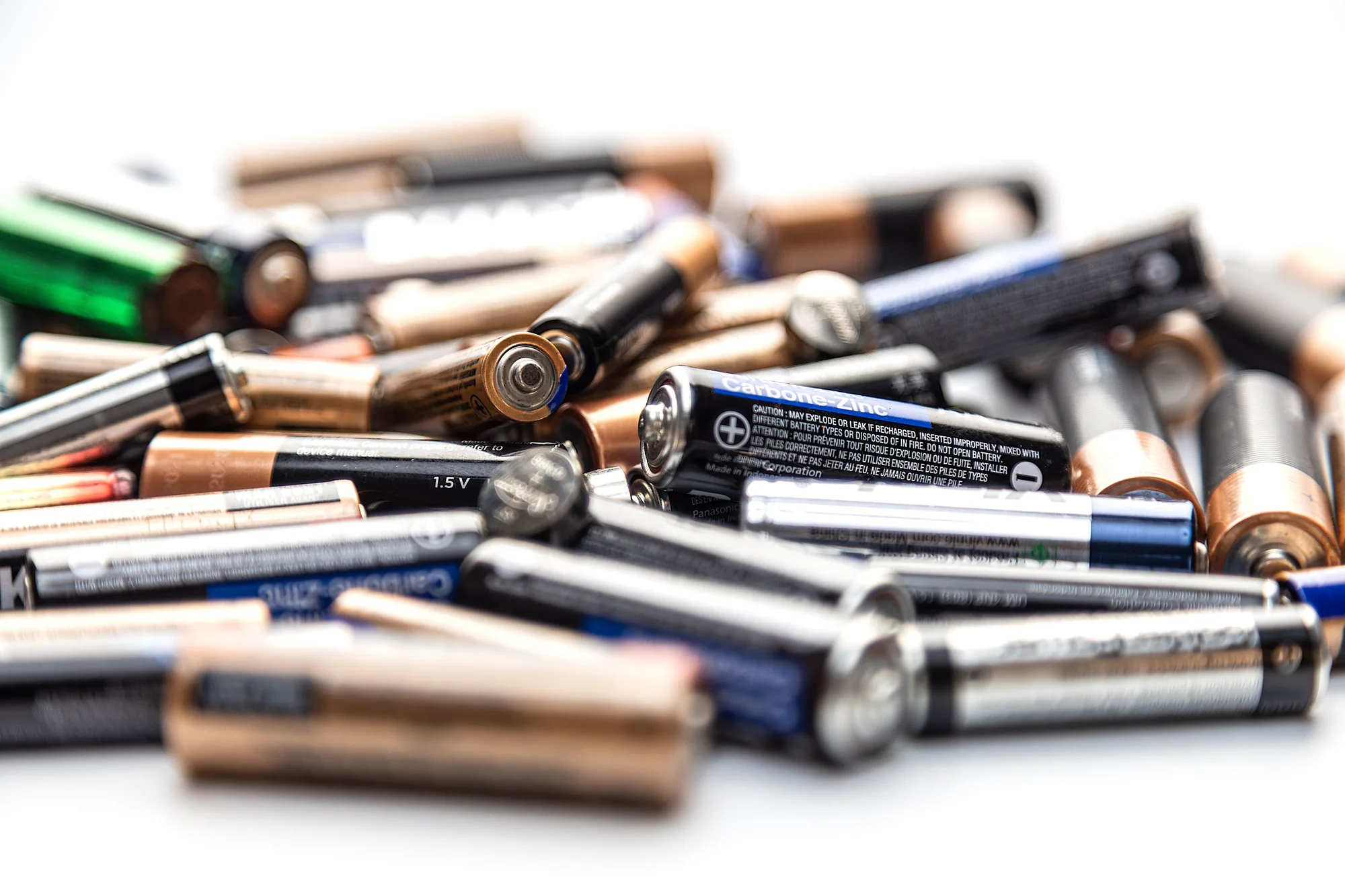
Batteries. All types, including lithium-ion, lead-acid and nickel-cadmium, are hazardous and a serious fire risk in the waste stream. They must be separated and collected for specialist treatment. The growing danger of lithium-ion cells is explained in our guide to battery fire risk in the workplace.
Fluorescent tubes and lamps. These contain mercury and are classified as hazardous waste. They cannot go in general waste and need dedicated lamp recycling, which is increasingly relevant now that fluorescent lighting is being phased out across the UK.
Chemicals, solvents, oils and paints. Liquids can leak and contaminate other waste, and many are hazardous. They require specialist hazardous waste disposal.
Aerosols and gas cylinders. Even when empty, these can explode if compacted or exposed to heat.
Fridges, freezers and air-conditioning units. These contain regulated refrigerant gases and must be degassed and treated under WEEE and F-gas rules.
Upholstered furniture, such as sofas and office chairs. Many contain persistent organic pollutants (POPs) in their foam and fabric, which must be separated and destroyed, not landfilled or mixed with general waste.
Clinical and medical waste, tyres, and asbestos. Each has its own strict, separate disposal route and must never enter a general waste bin or skip.
Simpler Recycling: What You Now Have to Separate
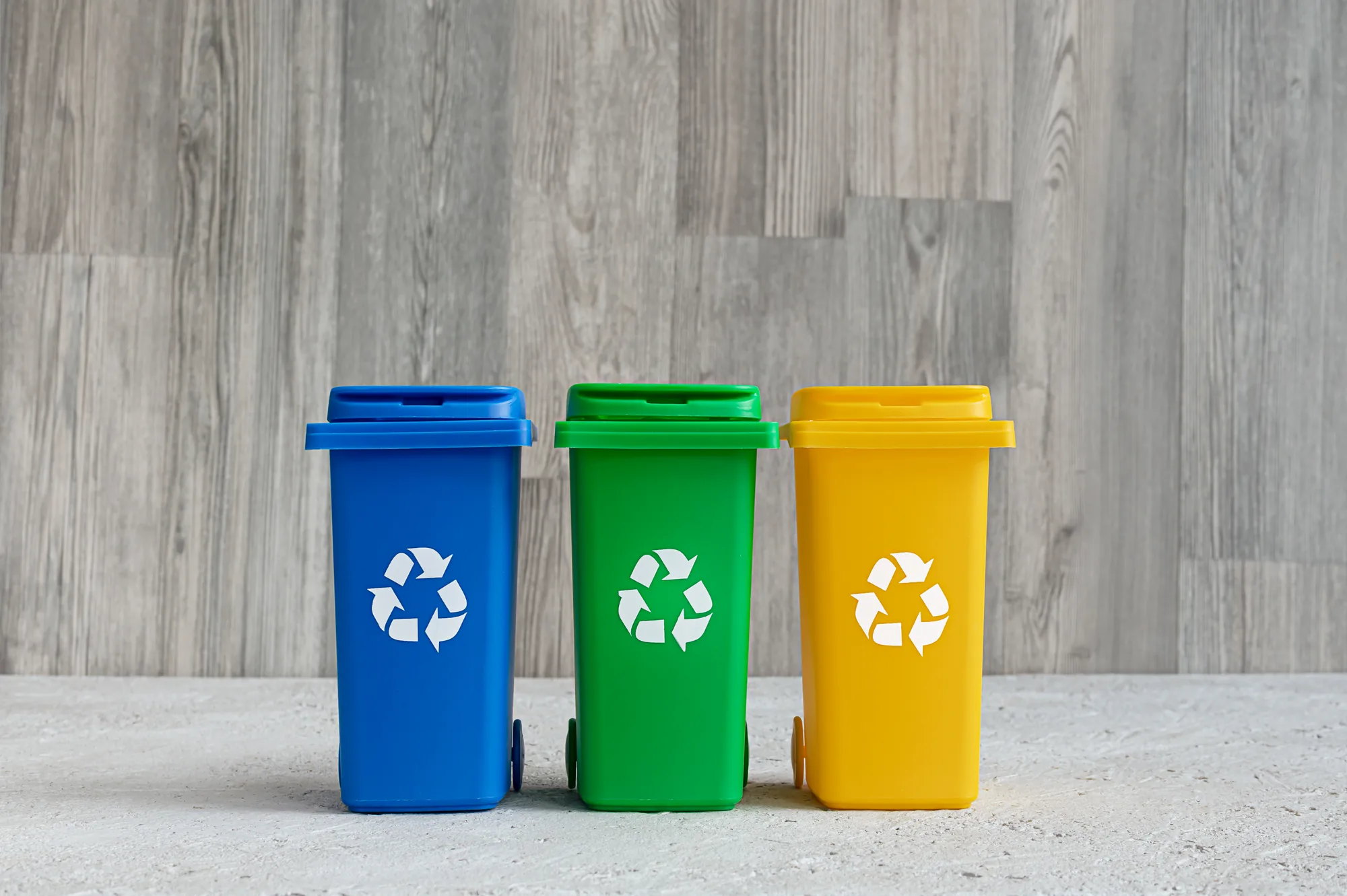
It's not only hazardous items that are restricted. Under Simpler Recycling, most workplaces in England must now separate their waste into distinct streams rather than throwing everything into one general bin. In practice that means keeping the following out of general waste:
- Dry recyclables: paper and card, plastic, metal and glass
- Food waste, collected separately
- General (residual) waste: only what genuinely can't be recycled
The goal is to push more material into recycling and out of landfill and incineration. For most businesses, the practical effect is that the general waste bin should be the smallest one on site, not the biggest.
What Happens If You Get It Wrong
Putting prohibited items in general waste carries escalating consequences:
- Refused or contaminated collections. Carriers can reject a load, leaving you with the waste and the bill.
- Contamination and specialist removal charges. Hidden hazardous items found downstream are removed at your cost.
- Duty of care liability. If waste is handled improperly, the producer remains responsible, even where a carrier is at fault, and breaches can lead to fines and prosecution.
The simplest protection is correct segregation at source, so that each waste stream is identified and routed correctly before it ever reaches a bin.
How to Get Waste Segregation Right
Keeping prohibited items out of general waste comes down to good segregation at source. A few practical steps make compliance straightforward:
- Map your waste streams. List everything your site produces and identify which items are hazardous, which fall under a specialist scheme such as WEEE or batteries, and which are ordinary recyclables.
- Label bins clearly. Clearly marked, well-placed containers for each stream are the single biggest factor in stopping the wrong item ending up in the wrong bin.
- Brief your team. Most contamination is accidental. A short induction on what goes where, and why, prevents the majority of mistakes.
- Store hazardous items safely. Keep batteries, lamps, chemicals and aerosols separate, in suitable containers, away from heat and ignition sources, until they are collected.
- Keep your paperwork. Retain waste transfer notes and hazardous waste consignment notes as evidence that each stream was handled compliantly.
Done consistently, good segregation protects a business from contamination charges and duty of care breaches, improves recycling rates, and shrinks the most expensive bin on site: general waste.
General waste is for what is genuinely left over once everything hazardous, recyclable and specialist has been separated out. Electricals, batteries, fluorescent tubes, chemicals, aerosols, fridges, upholstered furniture and clinical waste all have their own legal disposal routes, and putting them in the general bin risks contamination charges, refused collections and, under duty of care, prosecution.
A simple rule of thumb: if an item is hazardous, contains a battery, has a plug, or carries its own recycling symbol or scheme, it almost certainly does not belong in general waste. When in doubt, check how it should be classified before it goes in the bin.