.svg)




What Is the Waste Duty of Care?
If your business produces, stores, transports or disposes of waste - any waste - you are legally bound by the waste duty of care. This is not an optional standard of good practice. It is a criminal obligation under Section 34 of the Environmental Protection Act 1990, and it applies to every UK business without exception.
The duty of care applies to anyone who:
- Imports, produces, carries, keeps, treats or disposes of controlled waste
- Acts as a dealer or broker with control over such waste
Controlled waste means household, industrial and commercial waste. If your business creates any of it, you are in scope.
Breach of the duty of care is a criminal offence. Magistrates can issue an unlimited fine on conviction on indictment. Local authorities can issue a Fixed Penalty Notice of £300 for failure to provide evidence when requested - but prosecution remains an option where the breach is more serious.
What Does the Duty of Care Require You to Do?
The GOV.UK Waste Duty of Care Code of Practice, issued under Section 34(7) of the Environmental Protection Act 1990, sets out four core obligations for any business handling controlled waste.
1. Store Waste Safely
Waste must be stored so it cannot escape. This means appropriate containers, secure lids or covers, and protection against weather, vermin and unauthorised access. Mixing hazardous and non-hazardous waste is illegal and creates additional classification and disposal problems.
2. Only Transfer Waste to Authorised Persons
Before you hand waste to anyone, you must check they are authorised to receive it. An authorised person is either:
- Someone with a valid registration as a waste carrier, broker or dealer with the Environment Agency
- A waste management operator with an environmental permit or registered exemption to accept that type of waste
You can check the Environment Agency public register online. If you hand waste to an unlicensed carrier and that waste is fly-tipped, you can be held liable. Ignorance is not a defence.
3. Complete a Waste Transfer Note for Every Collection
Every time non-hazardous waste leaves your premises, a Waste Transfer Note (WTN) must be completed. Both your business and the business collecting the waste must fill in their respective sections and sign it. The WTN must include:
- A description of the waste and its EWC (European Waste Catalogue) code
- The quantity and how it is contained or packaged
- The date, time and place of transfer
- Names and addresses of both parties
- The carrier's Environment Agency registration number or permit details
- Your SIC (Standard Industrial Classification) code
- A declaration that the waste hierarchy has been applied
You can use a season ticket (annual WTN) to cover multiple collections of the same type of waste over up to 12 months, provided the waste type, carrier and other details remain unchanged.
4. Keep Records for at Least Two Years
WTNs must be retained for a minimum of two years from the date of transfer. If an enforcement officer from your local council or the Environment Agency requests them, you must be able to produce them. Failure to do so is an offence in itself, punishable by a fixed penalty notice or prosecution.
For hazardous waste consignment notes, the retention period is three years. Read our guide to hazardous waste regulations for the full obligations that apply when your waste is classified as hazardous.
Digital Waste Tracking: What Changes and When
The Environment Agency and Defra are introducing a mandatory digital waste tracking system that will replace paper-based Waste Transfer Notes for most controlled waste streams in England. The system logs waste movements in real time and links records automatically between producers, carriers and consignees, making it significantly harder to conceal waste crime and easier for businesses to demonstrate compliance.
The rollout follows a phased timetable. Waste receiving facilities must begin recording movements digitally from October 2026. Brokers, dealers and waste carriers follow from April 2027. Businesses producing controlled waste will also be required to use the system, with the full scope of producer obligations confirmed closer to the implementation dates.
Businesses should take the following steps now to prepare:
- Register with the digital waste tracking service on GOV.UK
- Confirm your waste carrier and treatment facility are registered and able to submit digital records
- Review internal waste record-keeping processes to ensure compatibility with the new system
- Speak to your waste management partner about how digital documentation will be issued in place of paper WTNs
Waste Experts will support clients through the transition. All collections will be documented through the digital tracking system in line with the mandatory implementation dates, and records will remain accessible through our customer portal.

Hazardous Waste: Additional Obligations
If your business produces hazardous waste - batteries, fluorescent lamps, chemicals, solvents, certain electronic equipment - your duty of care obligations go further than a standard Waste Transfer Note.
Hazardous waste in England is governed by the Hazardous Waste (England and Wales) Regulations 2005. Every movement of hazardous waste must be accompanied by a Hazardous Waste Consignment Note - not a WTN. This must be completed before the waste is collected and must include:
- The consignment note code
- Names and addresses of the producer, carrier and consignee
- A full description of the waste, including EWC code
- Quantity and physical form
- Hazard code and container type
- UN identification number and shipping name where applicable
Both the producer and carrier must retain their copies for at least three years. The consignee must send a quarterly return to the producer within one month of the end of the quarter in which the waste was accepted.
It is illegal to mix different categories of hazardous waste, or to mix hazardous with non-hazardous waste, without authorisation.
England removed the requirement for producers to register as a hazardous waste producer in April 2016. You no longer need to register with the Environment Agency if your site produces hazardous waste in England. Wales has retained this requirement - producers in Wales generating over 500kg per year must still register annually with Natural Resources Wales.
Common Mistakes That Put Businesses at Risk
The Environment Agency and local authorities carry out waste compliance inspections, and enforcement action is increasing. The most common failures identified in business waste audits include:
- Using an unlicensed waste carrier. A van turning up offering cheap clearance is a red flag. Always check the Environment Agency register before handing over waste.
- No Waste Transfer Notes. If you cannot produce a WTN for waste removed from your premises in the last two years, you are in breach.
- Incorrect EWC codes. Using the wrong waste code means your waste may not be treated correctly - and you remain liable.
- Mixing waste streams. Mixing hazardous with non-hazardous waste is a specific offence under the Hazardous Waste Regulations.
- Out-of-date records. WTNs must reflect the current carrier, waste type and site details. A WTN from three years ago does not cover you for today's collections.

How Waste Experts Handles Your Duty of Care
At Waste Experts, we are a fully licensed waste carrier and authorised treatment facility, regulated by the Environment Agency. Every collection we carry out is accompanied by the correct documentation - Waste Transfer Notes for non-hazardous waste and Hazardous Waste Consignment Notes where required.
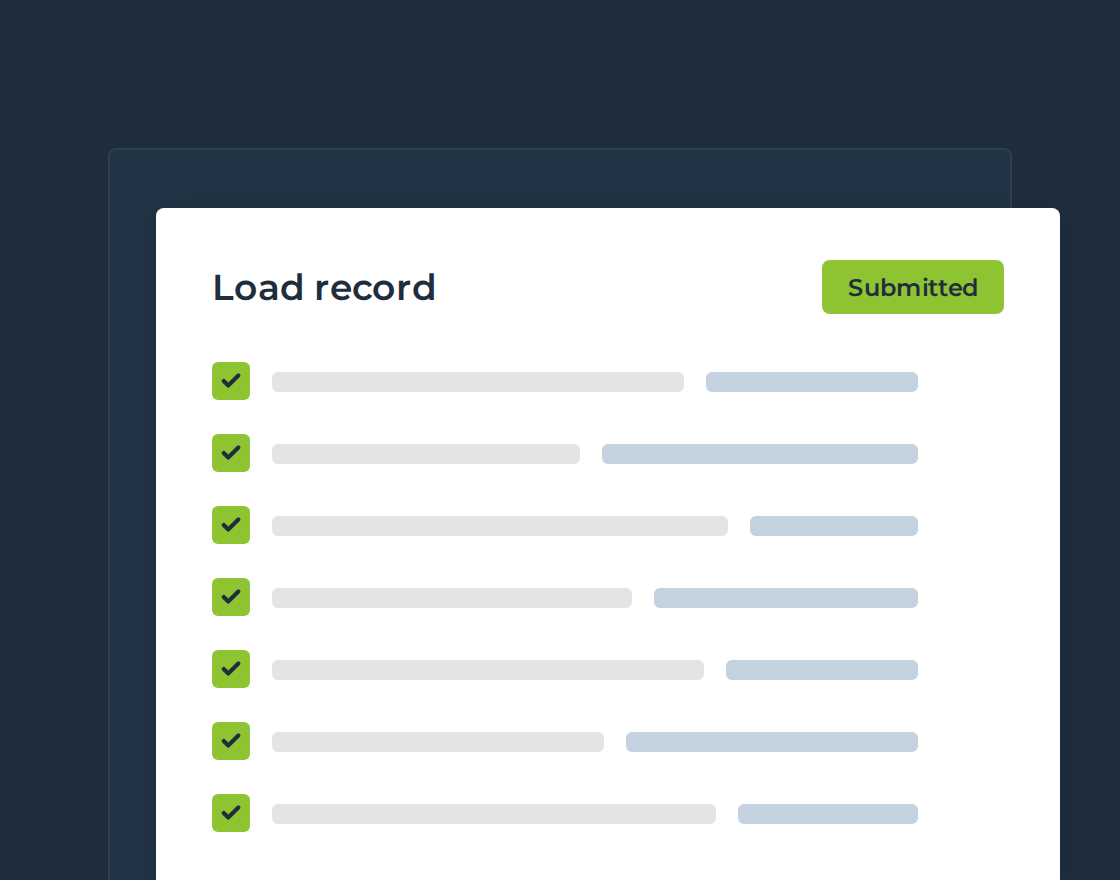
We provide all duty of care documentation as standard, with records accessible through our industry-leading customer portal so you are audit-ready at all times.
Our nationwide collection service covers all controlled waste streams - from general commercial waste and WEEE and electrical waste to hazardous materials, mercury-containing lamps and batteries. As an Approved Authorised Treatment Facility (AATF) recognised by the Environment Agency, we handle the most complex and regulated waste streams that many carriers cannot.
If you want to understand WEEE compliance obligations specifically, WERCS - our sister compliance scheme - provides expert producer registration and compliance management for WEEE, battery and packaging obligations.
If you are unsure whether your current waste setup is compliant, we offer a free waste audit. Contact Waste Experts today to arrange yours.
The waste duty of care is not a technicality - it is a core legal obligation that applies to every business in the UK from the moment waste is produced. The rules are straightforward: store waste safely, use a licensed carrier, complete the correct documentation, and keep records. Getting these four things right consistently protects your business from enforcement action, unlimited fines and reputational damage.
If you need support putting the right processes in place, Waste Experts can help - from a free initial audit through to a fully managed waste solution with documented compliance at every step.
Is your duty of care file audit ready?
We supply the waste transfer notes and consignment notes for every collection, kept in your portal so you can produce them on the day an inspector asks.
Book a free waste audit