Introduction
Business waste management is more than a disposal process; it is a legal obligation and a key part of operational efficiency. Regulations are stricter than ever, disposal costs continue to rise, and electronic waste is now the fastest-growing waste stream worldwide.
If you fail to manage waste correctly, you risk financial penalties, higher operating costs, and damage to your reputation. If you take control, you reduce costs, meet compliance requirements, and strengthen your sustainability profile.
This guide explains what UK businesses need to know in 2025, including the regulations that apply to you, the waste streams you need to manage, and the steps you can take to simplify processes and save money.
Why Waste Management Matters for UK Businesses
Effective waste management protects your business from legal, financial, and reputational risks. It is also an important factor in meeting ESG and sustainability targets that many customers and investors now expect.
Legal compliance
You are legally responsible for every stage of your waste handling, from the point it is produced to its final disposal. Breaching waste law carries serious consequences, including unlimited fines for severe violations.
Cost control
Waste disposal is a significant expense for businesses. Landfill tax is charged on every tonne of waste sent to landfill, so any failure to separate recyclable materials means paying premium rates for general waste. Over time, these costs add up and reduce profitability.
Reputation and sustainability
Clients and partners increasingly require evidence of strong environmental practices, and waste management is often included in ESG audits. Businesses that ignore compliance or reporting risk losing tenders, while those with robust processes gain a competitive advantage.
Understanding UK Waste Regulations
UK law sets strict rules for how businesses manage waste. The most important requirement is the Duty of Care under the Environmental Protection Act 1990, which places full responsibility on businesses to ensure waste is stored, transported, and disposed of safely.
Your legal obligations include:
- Storing waste in suitable, secure containers to prevent spills or contamination
- Using only licensed waste carriers for collection and disposal
- Completing and retaining a Waste Transfer Note for every collection for a minimum of two years
- Ensuring waste does not cause harm to people or the environment at any stage
WEEE compliance
The Waste Electrical and Electronic Equipment (WEEE) Regulations cover the disposal of electronics, including laptops, monitors, servers, and mobile devices. Businesses must keep e-waste separate from general waste and ensure it is processed by an approved facility. Proof of compliance is essential, as regulators can request evidence at any time.
Data protection also plays a role. Old IT equipment often contains sensitive information, which means GDPR rules apply. Deleting files is not enough; certified data destruction is required to eliminate the risk of data breaches.
Common Waste Streams and Why E-Waste Is Critical
Most businesses generate several waste streams, including:
- General waste
- Recyclables such as paper, cardboard, plastics, and glass
- Food waste from hospitality or catering services
- Hazardous waste such as chemicals, fluorescent tubes, or batteries
- Electronic waste from IT and electrical equipment
E-waste is the fastest-growing waste category globally, and it brings specific risks. It contains hazardous substances such as lead and mercury, which must be handled under strict safety regulations, and it also holds sensitive data, which can create severe legal and financial problems if it is exposed.
How Waste Experts Can Help
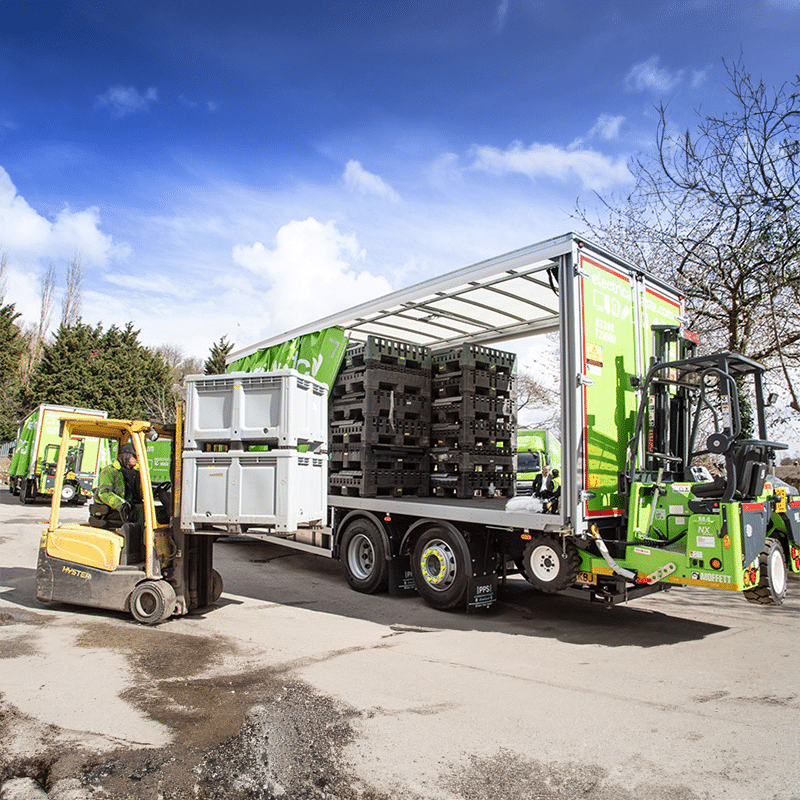
Waste Experts is a specialist recycler for business customers, handling WEEE, batteries, lamps, solar panels, high voltage equipment, hazardous waste and secure IT and data destruction through a single point of contact. We do not handle general, food or mixed recycling waste.
Our process is designed to remove complexity and risk:
- Certified WEEE-compliant disposal with full documentation
- GDPR-compliant data destruction for all IT equipment
- Collection and safe treatment of batteries, lamps, solar panels and hazardous waste
- Regular compliance reporting for audits and ESG requirements
- We aim to divert waste from landfill and prioritise reuse and recycling
Practical Steps to Cut Waste Costs
Waste costs are increasing, but there are proven ways to manage them without cutting corners on compliance.
Combine specialist services
Use one specialist provider for your electrical, battery, lamp and hazardous waste instead of multiple contractors. This reduces collection trips, lowers transport costs, and simplifies invoicing.
Schedule regular audits
Audits help identify waste types, volumes, and inefficiencies. Acting on audit recommendations can help you reduce costs.
Improve segregation at source
Ensure staff separate recyclables correctly, as mixed loads require additional processing and increase disposal fees. Provide clear signage and training to make segregation easy.
Review your collection schedule
Businesses often pay for collections they do not need. If containers are regularly half full when collected, reduce collection frequency.
What to Expect in the Future
E-waste growth
Technology lifecycles are shorter, and organisations refresh IT equipment every two to three years. This creates higher volumes of e-waste and increases the need for secure disposal solutions.
Circular economy focus
Businesses are shifting from a disposal model to a reuse and recycling approach. This will affect procurement policies and increase the demand for partners who can support refurbishment and recovery.
Digital compliance systems
Online waste reporting and tracking will become standard, making compliance checks faster and more transparent while providing businesses with accurate data for ESG reporting.
Take Control of Your Waste
Managing business waste is challenging, but it does not need to take up your time. Waste Experts provides a single, compliant solution for your specialist waste streams, including e-waste disposal and data security.
Book your free waste audit today to review your specialist waste streams and remove compliance risks from your business.