


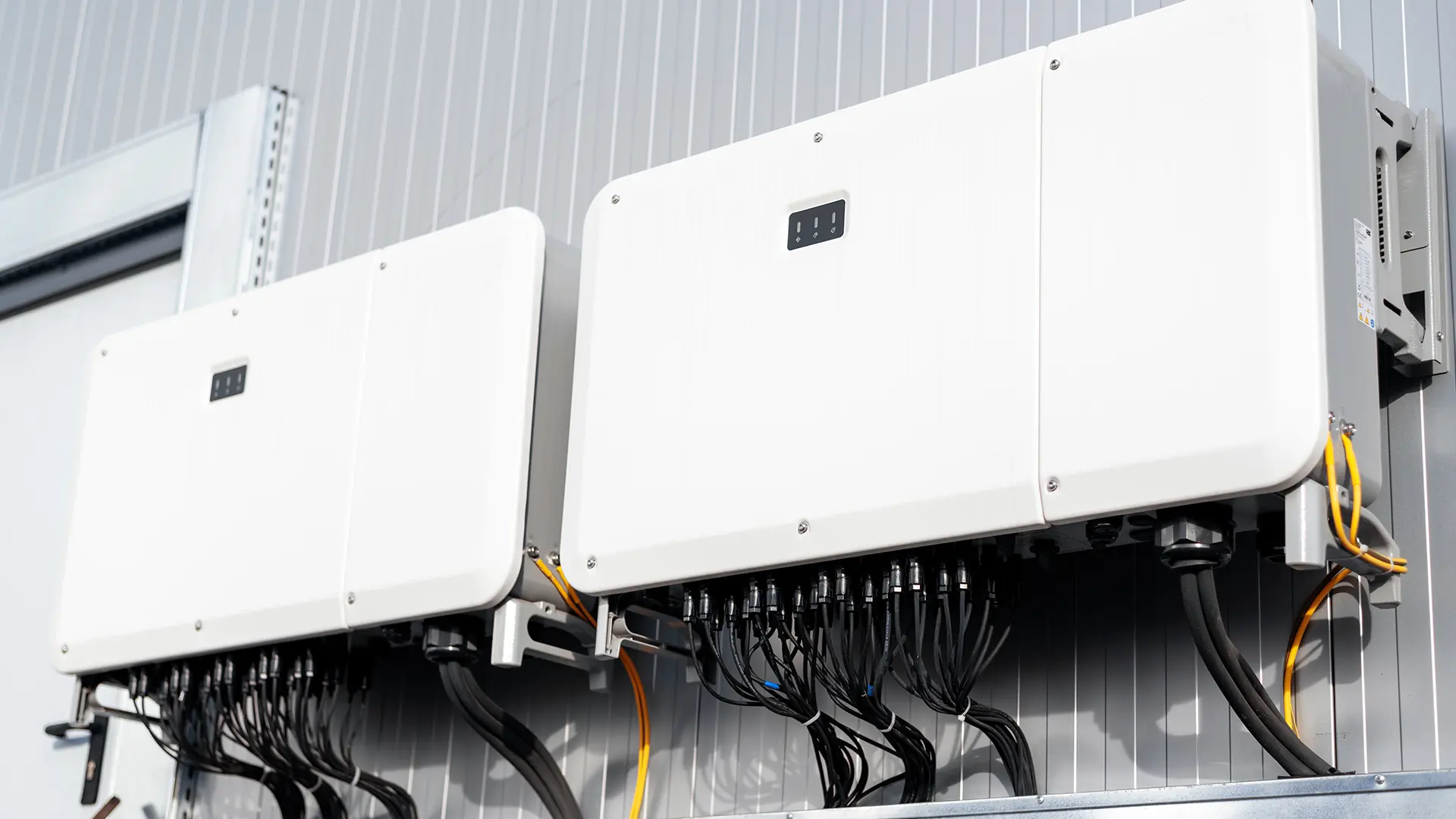
BESS Recycling & Decommissioning
Battery Energy Storage System Disposal UK
Specialist battery energy storage system recycling and decommissioning for UK operators. ADR-compliant lithium-ion collection, safe dismantling, critical material recovery, and full Duty of Care documentation with every job.
Explainer
Why BESS Recycling & Decommissioning Matters
Battery energy storage systems are central to the UK's net zero strategy, with over 69GW of BESS capacity now approved. As early installations reach the end of their 10–15 year lifespan, the volume requiring safe decommissioning is growing fast. BESS units contain high-voltage lithium-ion modules, inverters, and cooling infrastructure that pose serious fire and electrical risks if mishandled. Operators have a legal Duty of Care to ensure compliant collection, transport, and recycling with full documentation.
Compliance You Can Evidence
Every BESS collection includes waste transfer notes, hazardous waste consignment notes, Duty of Care documentation, and audit-ready records retained for the legally required period.
One Partner, Less Admin
BESS decommissioning involves de-energisation, dismantling, and multiple waste streams. We handle the full process with a single point of contact; no need to coordinate separate logistics firms, electrical contractors, and recyclers.
Nationwide Reliability
UK-wide BESS collections with planned scheduling. From a single residential battery system to large-scale grid storage decommissioning, we coordinate everything.
Reporting That Proves Progress
Centralised reporting on weights, waste streams, and CO2 savings through our online customer portal makes ESG reporting, asset retirement obligations, and internal reviews straightforward.
The Challenge
End-of-Life BESS Units Are a Growing Compliance and Safety Challenge
Every decommissioned battery energy storage system on your site carries regulatory, environmental, and serious safety risk until it is properly recycled.

Thermal Runaway & Fire Risk
Lithium-ion modules can trigger thermal runaway above 600°C in seconds. Even a single damaged cell can cause a chain reaction. Only trained personnel with specialist containment should handle BESS decommissioning.

High-Voltage Electrical Hazards
BESS systems operate at dangerously high voltages. Even after grid disconnection, capacitors and modules can retain lethal charge. Safe discharge and controlled dismantling by HV-trained operatives with rigorous RAMS is essential.

Critical Raw Material Recovery
BESS contain lithium, cobalt, nickel, manganese, copper, and aluminium. We work with UK partners including The Royal Mint to recover black mass and precious metals, keeping critical resources in the circular economy.
Benefits
Why Businesses Choose Waste Experts for BESS Recycling
One of the few companies with full in-house recycling and external accreditation to treat high-voltage lithium batteries in waste. Our Huddersfield facility handles 75,000 tonnes per year and is recognised by the Environment Agency as benchmark best practice. B Corp certified, keeping valuable materials and jobs in the UK.
UK's Only Facility
Full in-house treatment for all 15 WEEE categories, plus specialist accreditation for high-voltage lithium-ion battery systems.

390+ Drop-Off Points
With over 390 CEF branch locations across the UK, there is always a convenient, licensed collection point near you.

Circular by Design
We recover lithium, cobalt, nickel, copper, aluminium, and precious metals from every BESS unit. Lithium-ion modules are processed into black mass for critical raw material recovery.
Environment Agency Benchmark Operator
Rated as a best-practice treatment facility by the Environment Agency.
Industry-Leading Sustainable Fleet
One of the UK’s highest-performing fleets for emissions and efficiency.
What We Recycle
BESS Equipment We Collect and Recycle
From a single residential battery system to a utility-scale grid storage decommissioning project, we handle the logistics, compliance, and recycling so you can focus on your operations.
- Lithium-Ion Battery Modules (NMC, LFP, NCA)
- Containerised BESS Units
- Modular Battery Enclosures
- Inverters & Power Conversion Systems (PCS)
- Battery Management Systems (BMS)
- HV Cabling, Busbars & Connectors
- Transformers & Switchgear
- Thermal Management & Cooling Systems
- Fire Suppression Systems
- SCADA & Monitoring Equipment
- Distribution Boards & Protection Relays
- Grid-Scale Storage Infrastructure
What Our Customers Say

Your Waste Sorted. Your Compliance Covered.
- Rated Excellent by Trustpilot
- Dedicated Account Manager
- Nationwide Collections
- Certified B Corporation
FAQs
Common Questions About BESS Recycling & Decommissioning
What is BESS recycling and decommissioning?
BESS recycling and decommissioning is the safe de-energisation, dismantling, and material recovery from end-of-life battery energy storage systems. This includes lithium-ion battery modules, inverters, power conversion systems, cooling infrastructure, and all ancillary components. These systems must be processed through authorised treatment facilities with specialist HV-trained personnel, and businesses have a legal Duty of Care to ensure proper disposal with documentation retained for the required period.
What types of BESS equipment can you recycle?
We recycle all types of battery energy storage system components, including lithium-ion battery modules of all chemistries (NMC, LFP, NCA), containerised and modular BESS units, inverters and power conversion systems, battery management systems, transformers, switchgear, HV cabling, thermal management systems, fire suppression equipment, and SCADA monitoring hardware.
What compliance documentation do we receive for BESS disposal?
Every BESS collection includes waste transfer notes, hazardous waste consignment notes where applicable, Duty of Care documentation, and compliance certificates. We retain all records for the legally required period to support your audits, ESG reporting, and regulatory inspections. Detailed monthly CO2 savings and landfill-diversion reports are also accessible through our online customer portal.
How long does a BESS last before it needs decommissioning?
Most battery energy storage systems have a lifespan of 10 to 15 years, depending on the battery chemistry, cycling intensity, and operating conditions. Early UK BESS installations are now approaching end of life, and with tens of gigawatts in the pipeline, the volume of systems requiring decommissioning is set to increase significantly over the coming years.
Can you handle the full BESS decommissioning process in-house?
Yes. Our turnkey HV recycling service manages everything from ADR-compliant collection with certified containment and trained HV operatives, through to controlled dismantling and high-value material recovery. Our Huddersfield facility is an Approved Authorised Treatment Facility (AATF) recognised by the Environment Agency as a benchmark best practice installation. We are also externally accredited to handle high-voltage lithium batteries in waste, backed by in-house training and rigorous RAMS procedures.
Do you offer nationwide BESS recycling collections across the UK?
Yes. We provide ADR-compliant nationwide collections for BESS operators across the UK, from single residential battery systems to large-scale utility storage decommissioning projects across multiple sites. Our specialist fleet and network of 390+ CEF branch drop-off points ensures there is always a convenient collection route. Share your site details, equipment type, battery chemistry, and estimated volume and we will confirm the best option for your location.