.svg)





The UK's clean energy transition is one of the great success stories of the last two decades. Solar capacity has grown from near zero to over 21GW. There are 1.85 million electric vehicles on UK roads. Battery storage has expanded to nearly 13GWh of operational capacity. The country has over 88,500 public EV charge points.
But every piece of infrastructure has a lifespan. The UK is now entering the period where the first generation of clean energy equipment is reaching end of life, all at once and across multiple sectors, creating a waste management challenge that very few organisations have planned for.
The Scale of What Is Coming
Solar Panels
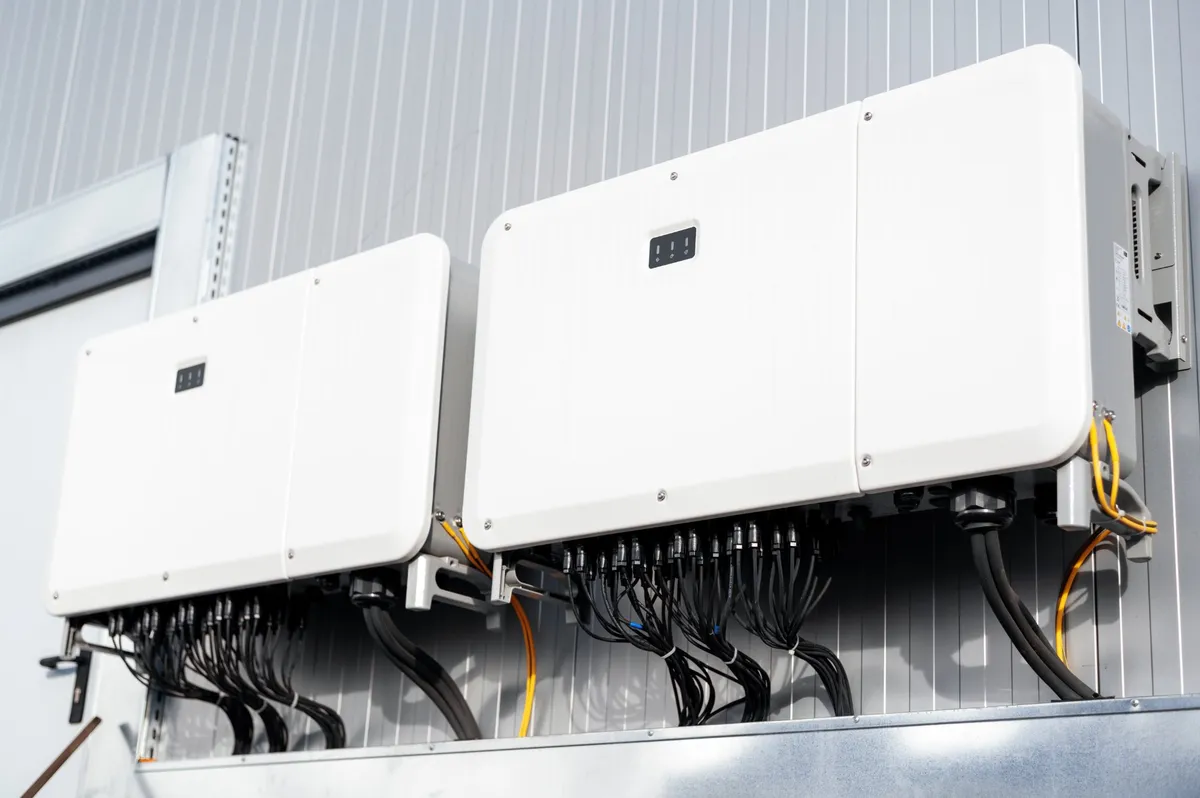
Over 1.6 million UK homes have solar panels, the vast majority installed between 2010 and 2015 during the Feed-in Tariff era. With a 25 to 30 year lifespan, these panels will begin reaching end of life from the mid-2030s onwards, generating an estimated 100,000 tonnes of panel waste by 2030 and up to 1.5 million tonnes by 2050. But panels are not the only waste from a solar installation. Inverters fail faster, typically lasting 10 to 15 years, so the first wave of inverter replacements is already well underway.
EV Chargers
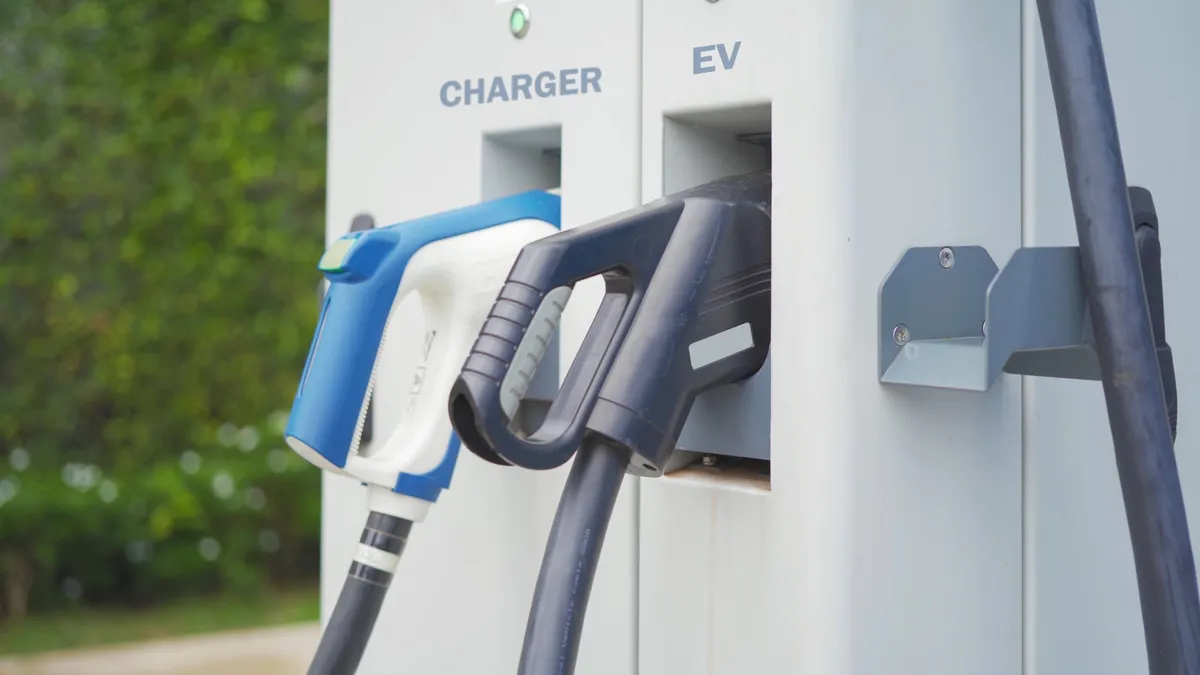
The UK added over 14,000 public charge points in 2025, bringing the total to nearly 88,500. Add to that over a million home chargers and hundreds of thousands of workplace units. The market is evolving fast enough that chargers installed just three to five years ago are being replaced by higher-powered models. Decommissioned chargers are already a significant waste stream, and it will grow as the installed base increases and upgrade cycles shorten.
Battery Energy Storage Systems
UK BESS capacity grew 45% in 2025 to reach 12.9GWh. The government wants up to 27GW by 2030. Lithium-ion battery cells in these systems have a 10 to 15 year design life, meaning the first grid-scale installations will need cell replacement within this decade. Each gigawatt-hour of battery storage that reaches end of life represents thousands of tonnes of lithium-ion cells, plus inverters, transformers, switchgear, cabling and cooling systems.
Wind Turbine Components
The UK's onshore and offshore wind fleet is also ageing. Turbine components, particularly electrical systems and control electronics, are a growing waste stream requiring specialist treatment that general WEEE routes cannot handle.
Why This Is Different from Normal E-Waste
The UK already has an established system for handling electronic waste through the WEEE Regulations. Millions of tonnes of fridges, washing machines, TVs and computers are collected and recycled every year. So why is renewable energy waste a distinct problem?
Three reasons stand out. First, the volume and concentration. When 1.6 million solar installations reach end of life within a roughly 10-year window, the waste does not arrive in a steady, manageable stream. It arrives in a wave. The same applies to BESS and EV chargers as technologies mature and upgrade cycles compress.
Second, the technical complexity. A solar panel is not a washing machine. Extracting silicon, silver and copper from a laminated glass sandwich requires specialist processes that most WEEE facilities do not have. Lithium-ion batteries require controlled discharge before dismantling and present chemical hazards if mishandled. High-voltage electrical equipment demands specialist treatment that standard WEEE routes cannot provide.
Third, the regulatory gaps. The WEEE Regulations and Waste Batteries Regulations were written before the UK had significant renewable energy infrastructure. The rules do not always map neatly onto the realities of decommissioning a solar farm, replacing BESS cells or recycling a fleet of EV chargers. Regulatory reform is expected but has not yet arrived.
The Economic Opportunity
This is not only a waste problem. It is a resource opportunity. The materials contained in end-of-life renewable energy equipment are exactly the materials needed to build the next generation of clean energy infrastructure.
Solar panels contain silicon, silver, copper and aluminium, all critical inputs for new panel manufacturing. The silver alone is significant: the solar industry consumed 19% of global silver supply in 2024, and recovered silver from recycled panels can feed directly back into cell production.
Lithium-ion batteries contain lithium, cobalt, nickel, manganese and copper. With the EU mandating minimum recycled content in new batteries from 2031, recovered battery materials will become an essential feedstock, not an optional bonus.
EV chargers yield copper, aluminium, power semiconductors and precious metals from their circuit boards. High-quality recycling recovers these materials at purity levels suitable for remanufacturing.
The total recoverable material value from UK renewable energy waste is projected to reach billions of pounds over the coming decades. Capturing that value requires specialist recycling infrastructure, not basic shredding and landfill diversion.
What Needs to Happen
The UK needs to treat renewable energy waste as a strategic priority. Several things need to change.
Recycling capacity must scale ahead of the waste wave, not in response to it. The UK currently has limited specialist capacity for solar panel recycling and lithium-ion battery treatment. Facilities like Waste Experts, with both AATF and ABTO status, are the exception rather than the rule. More investment in UK-based recycling infrastructure is essential.
Regulations need to catch up with technology. The Waste Batteries Regulations need updating to reflect the realities of grid-scale storage. The WEEE Regulations need clearer guidance on high-voltage equipment from renewable installations. Producer responsibility frameworks need to ensure that end-of-life costs are built into the business model from the start, not passed to the end user at decommissioning.
Industry must plan for end of life from day one. Every solar farm, BESS installation and EV charging network should have a decommissioning and recycling plan as part of its original business case. Waiting until equipment fails is not a plan.
What You Can Do Now
If your business operates renewable energy infrastructure, whether solar panels, BESS, EV chargers, inverters or other high-voltage equipment, there are practical steps you can take today.
Audit your installed base. Know what equipment you have, how old it is, and when it is likely to need replacement or decommissioning.
Understand your obligations. WEEE, waste batteries regulations, hazardous waste and Duty of Care. The requirements depend on what you operate and whether you are a producer or end user.
Establish a recycling route before you need one. The worst time to find a specialist recycling partner is when you already have waste on site and a compliance deadline looming.
Build end-of-life costs into your financial planning. Decommissioning and recycling are not free, but they are predictable if you address them early. Some early BESS operators have discovered this the hard way when replacement costs arrived without provision.
The renewable energy waste wave is coming. The question is whether UK operators are ready to manage it responsibly, or whether it becomes the next environmental problem nobody planned for.
Waste Experts provides specialist recycling services for the renewables sector, covering the full range of renewable energy infrastructure including solar panels, EV chargers, BESS, inverters, transformers, switchgear and all associated equipment. We hold AATF and ABTO status, operate nationwide, and support businesses with both physical recycling and regulatory compliance through WERCS. Contact us to discuss your renewable energy waste management requirements, or get a quote online.