.svg)




The UK's EV charging network has grown rapidly. As of early 2026, there are over 88,500 public charge points across more than 45,000 locations, with around 14,000 new devices added in 2025 alone. But growth creates a secondary problem that few people are talking about: what happens to chargers that are replaced, upgraded, or decommissioned?
Every month, charge point operators remove devices from the network. Some are outdated. Some are damaged. Some are being swapped for faster, higher-powered units as the market shifts towards ultra-rapid charging. Each decommissioned charger is classified as Waste Electrical and Electronic Equipment (WEEE), and each one needs a compliant recycling route.
This guide covers the practical steps for recycling EV chargers in the UK, from understanding your legal obligations to setting up an efficient, ongoing recycling process.
Why So Many EV Chargers Are Reaching End of Life
The EV charging market is evolving at a pace that means infrastructure installed just a few years ago can already be commercially unviable. Early-generation public chargers, many rated at 7kW or 22kW, are being replaced by 50kW rapid and 150kW+ ultra-rapid units. The number of ultra-rapid chargers in the UK grew by 41% in 2025, reflecting a clear shift towards faster charging speeds.
This technology cycle means thousands of functional but outdated chargers are being pulled from service. Add to that the units removed due to vandalism, vehicle impact, weather damage, electrical faults, or site redevelopment, and you have a waste stream growing faster than almost anyone anticipated.
Workplace and domestic chargers add further volume. The UK has over 1.3 million home chargers installed, many now five to seven years old and approaching the point where they may need replacement due to wear, software obsolescence, or upgrades to accommodate newer, higher-powered vehicles.
EV Charger Disposal Regulations: WEEE Classification and Duty of Care
Under the WEEE Regulations 2013, EV chargers are classified as electrical and electronic equipment. When they reach end of life, they become waste electrical equipment and must be handled accordingly. This applies regardless of whether the charger is a small domestic wallbox or a large commercial rapid charging unit.
For charge point operators, property managers, and anyone responsible for decommissioning EV chargers, this means you must ensure chargers are collected by a licensed waste carrier, transported to an Approved Authorised Treatment Facility (AATF) or through a licensed waste management company, recycled in compliance with WEEE treatment standards, and supported by duty of care documentation proving the waste was handled correctly.
Sending EV chargers to general waste, skip hire, or unlicensed scrap dealers is a breach of duty of care and can result in enforcement action from the Environment Agency.
What Makes EV Charging Point Recycling Worthwhile
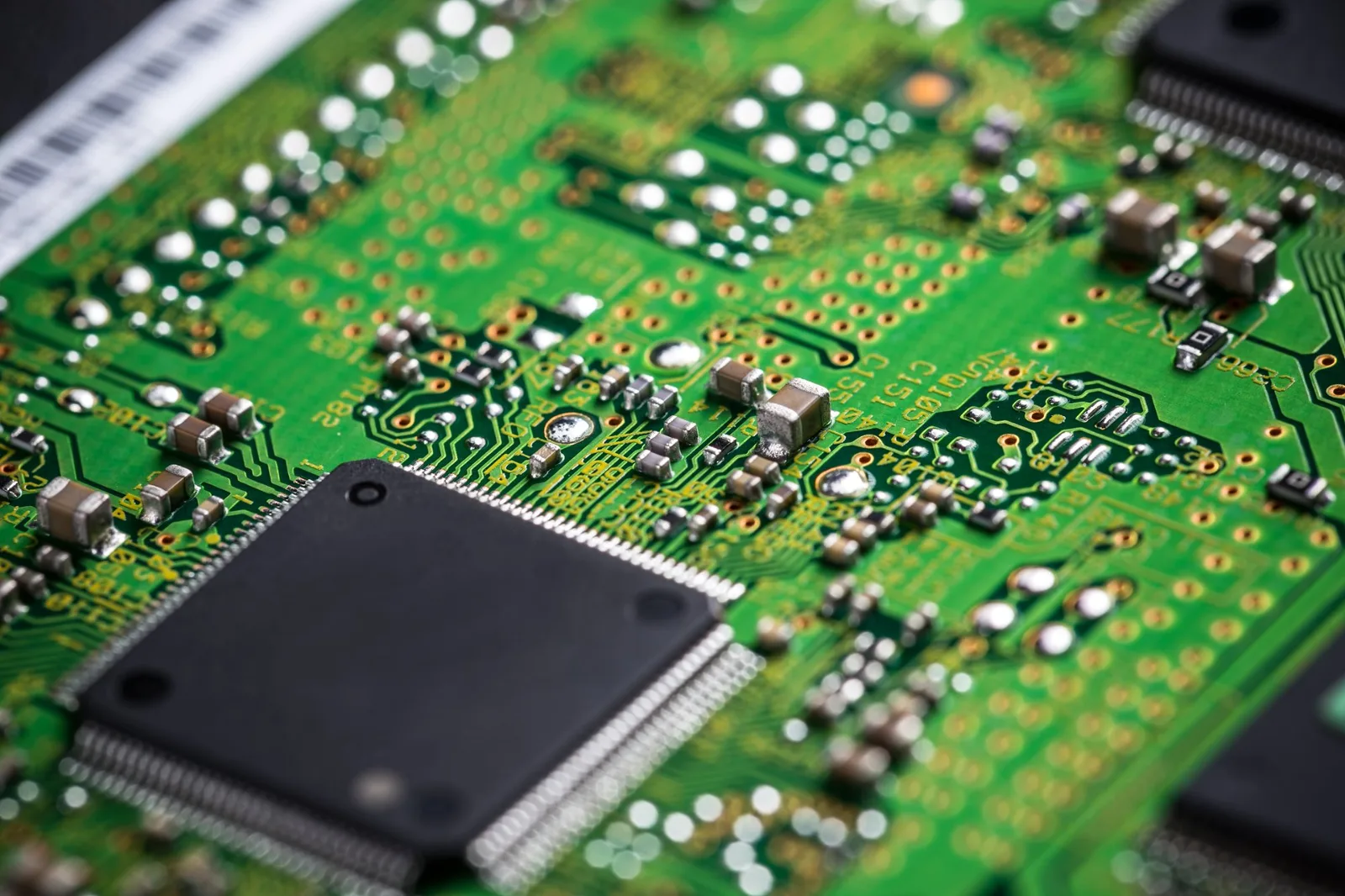
EV chargers contain a range of materials, many of which have significant recovery value. A typical charger includes copper wiring and busbars (often several kilograms per unit, particularly in rapid chargers), aluminium housings and heat sinks, steel structural components, printed circuit boards containing precious metals including gold, silver and palladium, power electronics such as capacitors, transistors, rectifiers and transformers, LCD or LED displays, plastic casings and cable insulation, and in some cases lithium-ion batteries for backup power or smart metering.
The power electronics in rapid and ultra-rapid chargers are particularly valuable. These units contain high-grade copper, power semiconductors and specialist components that can be recovered and returned to supply chains if processed correctly through a specialist WEEE treatment facility. Basic scrap processing misses most of this value.
Charge Point Decommissioning: A Step-by-Step Process
Step 1: Electrical Isolation
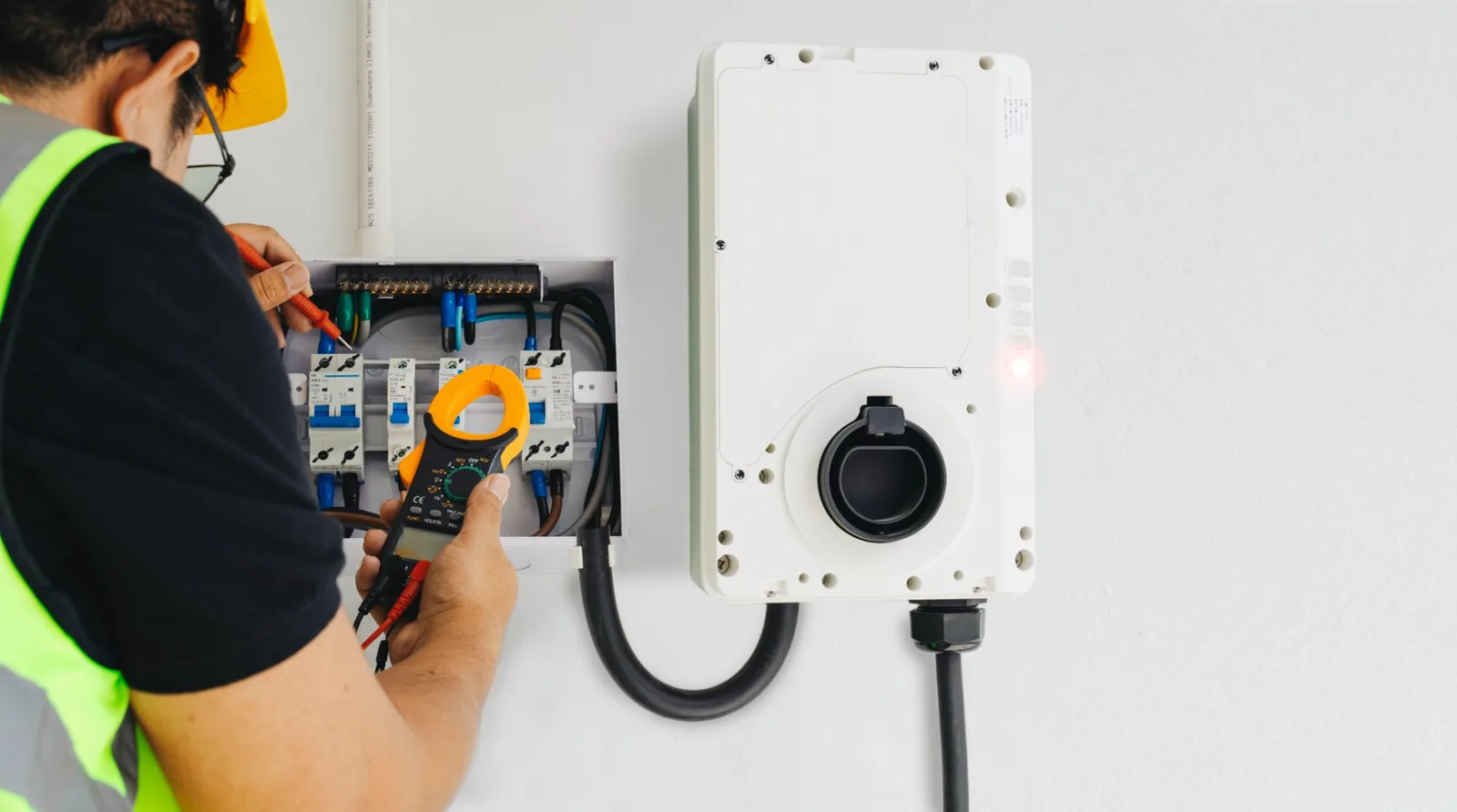
EV chargers operate at voltages that can cause serious injury or death. Before any physical removal, the charger must be electrically isolated by a qualified electrician. For AC chargers, this means isolating the supply at the distribution board. For DC rapid chargers, which contain internal capacitors that can retain charge after disconnection, the process is more complex and requires specialist knowledge. Never attempt to remove an EV charger without proper electrical isolation.
Step 2: Physical Removal
Once isolated, the charger can be physically removed from its mounting. Wall-mounted domestic units are typically straightforward. Pedestal-mounted public chargers may require groundwork to remove the foundation. Rapid chargers, which can weigh 200kg or more, need mechanical handling equipment. Cable runs should be removed where accessible, as the copper content has significant recycling value.
Step 3: Secure Storage
If chargers are being accumulated before collection, they must be stored securely. Damaged units with exposed electrical components should be segregated and handled with care. If the charger contains a lithium-ion battery, it must be stored in accordance with hazardous waste requirements and away from combustibles. Avoid stacking heavy rapid charger units, as this can cause damage to casings and internal components.
Step 4: Collection, Documentation and Recycling
Arrange a collection through a licensed WEEE carrier. At the point of collection, you must receive a Waste Transfer Note - this is your legal evidence that the equipment was handed to an authorised carrier. The chargers are then transported to an Approved Authorised Treatment Facility (AATF) for dismantling and material recovery.
After processing, you should receive a WEEE Evidence Note confirming the weight and treatment route. These two documents - Waste Transfer Note and WEEE Evidence Note - are your compliance records and should be retained for a minimum of two years.
We handle all associated waste streams in a single collection: charger units, cabling, mounting hardware and packaging. We supply a Waste Transfer Note at point of collection and a WEEE Evidence Note after processing. See our EV charger recycling service or get a quote.
How to Manage EV Charger Recycling at Scale
If you operate a charging network with hundreds or thousands of units, ad-hoc disposal is not practical or cost-effective. The right approach is a structured recycling programme that integrates with your operations and upgrade cycles.
The first step is a framework agreement with a single recycling provider who can collect from any location in your network. Fragmented arrangements - different providers in different regions, inconsistent documentation - create compliance gaps and administrative overhead. A single national provider gives you one audit trail across your entire estate.
Schedule collections around your upgrade and maintenance cycles. If you are replacing a cohort of 7kW chargers with rapid units across a regional network, batch the removals and arrange a consolidated collection. This is significantly cheaper per unit than booking individual collections for each site.
For ESG reporting purposes, confirm that your provider can supply itemised data: total units collected, weight by waste stream (electronics, cable, metal), materials recovered and diversion from landfill. Many CPO operators now include this data in their sustainability reports and investor communications. Generic confirmation of disposal is no longer adequate for institutional stakeholders.
Also consider what happens to associated waste streams beyond the charger units themselves. Cabling removed from trenches has good copper value and should be collected separately. Old signage, bollards and mounting posts can typically go through standard metal recycling. Concrete bases and civils waste follow construction waste routes. We handle all of these in a single managed collection service - one visit, one set of paperwork, all streams covered.
End-of-Life Options for Homeowners
Homeowners replacing a domestic wallbox charger have two main routes. If you are having a new charger installed, your installer should remove the old unit and arrange its disposal. Confirm this before work begins and ask for a copy of the Waste Transfer Note as evidence it was handled correctly.
If you are removing the charger yourself (after having it isolated by an electrician), you can take it to your local Household Waste Recycling Centre and place it in the WEEE collection area. Some manufacturers also run take-back schemes for their own products.
Do not put EV chargers in your household waste bin or in a skip. They contain electronic components and potentially hazardous materials that require specialist treatment.
The Future of EV Charger Disposal in the UK
The EV charger waste stream is only going to grow. The UK government's Zero Emission Vehicle mandate is driving accelerated deployment of both public and private charging infrastructure. As the market matures, upgrade cycles will shorten, and the volume of end-of-life chargers will increase significantly.
CPOs who establish compliant recycling routes now will be better positioned as the volume increases and as regulatory expectations tighten. The current approach of handling decommissioned chargers on an ad-hoc basis is not going to scale. The operators who treat recycling as an operational function - rather than a problem to solve when equipment accumulates on site - will have lower costs per unit and cleaner compliance records.
This sits within a broader pattern of renewable energy infrastructure reaching end of life across the UK. See our overview of the renewables sector for the full picture.
Get Started with EV Charger Recycling
Contact Waste Experts to discuss your EV charger recycling requirements. Whether you are decommissioning a single unit or managing a nationwide network upgrade, we provide the specialist treatment, documentation and logistics to keep you compliant. With our in-house AATF facility, BATRRT-compliant processing, nationwide collection network and high voltage recycling service, we make EV charger recycling straightforward.