.svg)




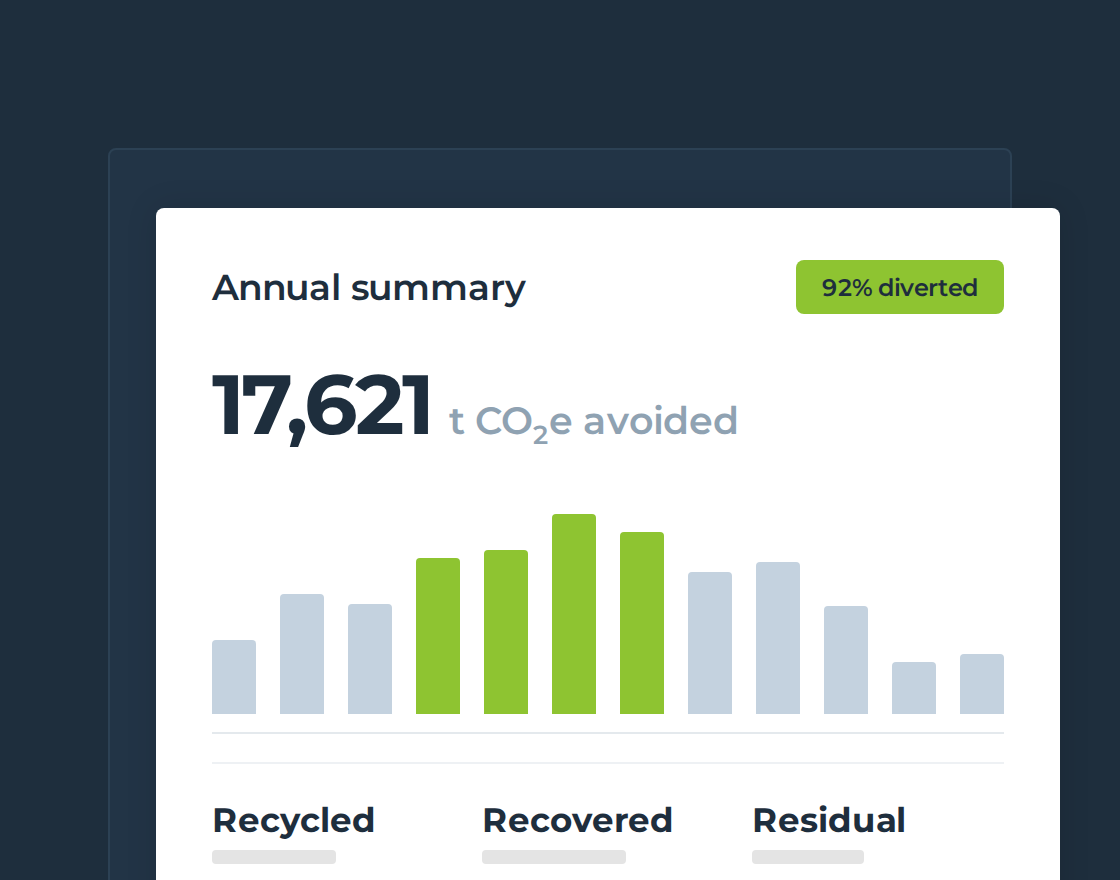
- We collected 8,811 tonnes of electrical waste in the twelve months to 12 October 2026, across 10,434 collections from 2,373 sites.
- 92% was diverted from landfill and 3,679 tonnes of material was recovered at our Kirkheaton facility and sent back to reprocessors.
- Screens and displays made up 73% of the weight, which tells you more about the UK's disposal habits than any awareness campaign does.
International E-Waste Day falls on 14 October. It exists because electrical waste is the fastest growing waste stream in the world, and because most of what gets thrown away still goes in the wrong direction.
Plenty of organisations will mark the day with a statistic from somebody else's research. We would rather publish our own numbers. So here is exactly what came through our gates in the twelve months to 12 October 2026, what we turned it into, and what we could not save.
8,811 tonnes in twelve months
That is 10,434 separate collections, from 2,373 sites. It weighs about the same as 59 blue whales, which is a silly comparison until you try to picture it sitting in a yard.
Of that total, 92% was kept out of landfill. 6,960 tonnes went back into raw materials and a further 1,145 tonnes was recovered for energy or reuse. The carbon avoided works out at roughly 17,621 tonnes of CO2e, using the accepted figure of around two tonnes saved for every tonne of WEEE treated properly.
None of that happens because of an awareness day. It happens because the people responsible for those sites decided their old equipment should be handled correctly, and then kept doing it for a year.

Screens are three quarters of the weight
The breakdown is lopsided, and the shape of it is the interesting part.
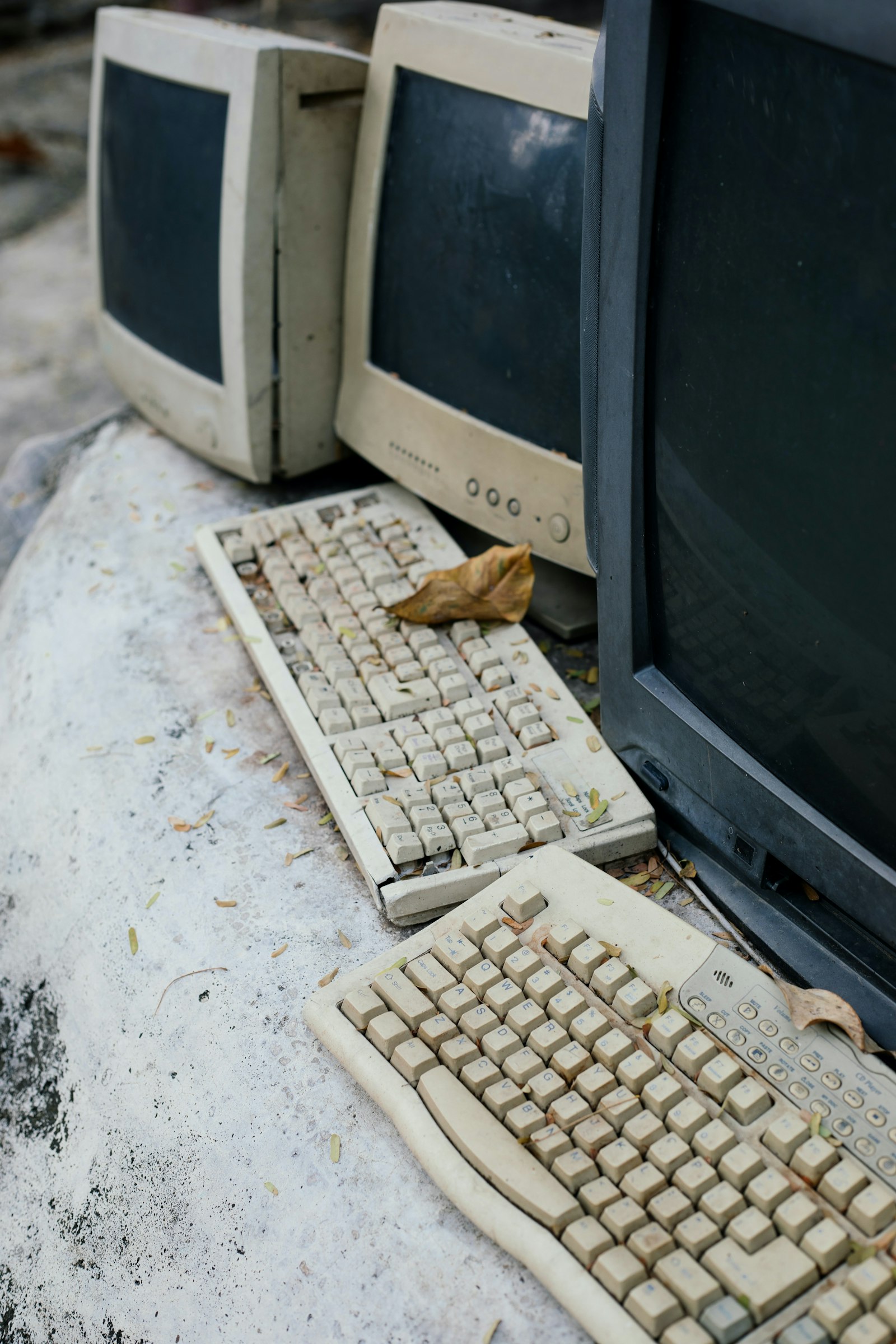
- Screens and displays, 6,432 tonnes. 73% of everything we collected. Monitors, televisions and flat panel displays, most of it replaced rather than broken.
- Mixed WEEE, 1,260 tonnes. 14%. The genuinely varied loads, usually from refurbishments and site clearances.
- Lamps and tubes, 338 tonnes. 4%, and far more hazardous per kilo than anything else on this list.
- Solar panels, 279 tonnes. 3%, and rising. The first wave of UK commercial installations is reaching end of life.
- Batteries, 175 tonnes. 2%, and the single biggest fire risk we handle.
- Fridges and cooling, 172 tonnes. 2%.
- IT equipment, 154 tonnes. 2%.
Screens dominating by that margin is not a quirk of our customer base. It is what happens when a product category gets cheaper, bigger and easier to replace than to repair. Every office refresh and every retail refit produces a pallet of panels that were working perfectly well the day before.
March was the heaviest month
1,146 tonnes across 1,077 collections, the busiest month on both counts. The run from January to April accounted for 4,031 tonnes, well over a third of the year, which lines up with the budget cycles and site works that cluster in the first quarter.
August and September were the quietest at 298 and 340 tonnes. Waste volumes follow the working calendar more closely than most people expect.
What it became
At our Kirkheaton treatment site we recovered 3,679 tonnes of material and sent it on to reprocessors:
- Steel and iron, 3,278 tonnes
- Aluminium, 167 tonnes
- Lamp glass, 154 tonnes
- Circuit boards, 33 tonnes
- Copper and brass, 21 tonnes
- Motors and transformers, 18 tonnes
- Cable, 9 tonnes
The circuit board figure looks small next to the steel, and it is the most demanding line on the list. Boards have to be taken out by hand, kept apart from the rest of the stream and sent to specialist reprocessors under their own paperwork. It is the part of the process that separates a permitted treatment facility from a yard with a baler.
The 705 tonnes we could not recover
8% of what we received did not make it back into use. We are publishing that number alongside the good ones because a recycling rate without a residual figure next to it is marketing, not reporting.
Most of that residual is contamination and composite material: plastics bonded to metals, items too damaged to separate cleanly, loads that arrived mixed with things that should never have been in them. Some of it is unavoidable with current technology. Some of it is avoidable, and it starts at the point where someone decides which container something goes in.
That is the honest version of a 92% diversion rate. It is a good number and it is not 100%.
The point of International E-Waste Day is not that electrical waste exists. It is that most of it is still handled as ordinary rubbish when it is hazardous, tightly regulated, and legally your responsibility right through to the point it is treated properly.
8,811 tonnes is one year, from one operator, in one country. Scale that thought up and the size of what is still going the wrong way becomes obvious.
Don't bin it. Bring it.
Know where your old equipment ends up
If you cannot say what happened to your last load of electricals, that is worth fixing. Tell us what you produce and we will show you the route and the paperwork.
Speak to an expert