.svg)


The Hidden Cost of Solar Energy
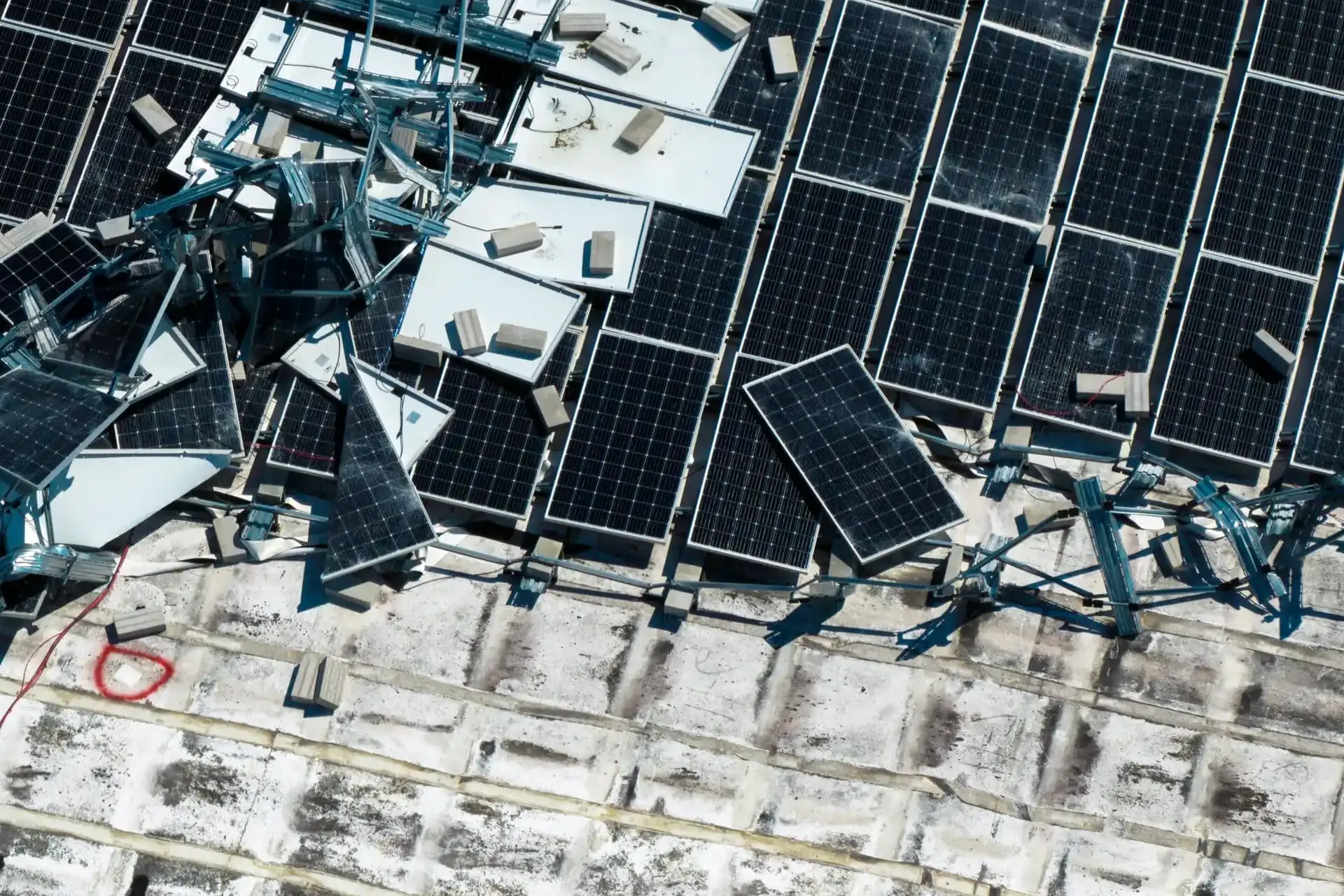
Solar panel waste problem – it’s the hidden crisis few are talking about. While solar energy is often hailed as a clean, green solution to climate change, a looming environmental threat is growing behind the scenes. Solar panels, designed to reduce emissions and fuel the transition to renewables, are piling up in landfills faster than we’re prepared to handle.
In 2023 alone, Europe produced more than 2ghbn50 terawatt-hours of electricity from solar. Sounds like progress, right? Yet beneath this progress lies an alarming and under-addressed issue: solar panel waste.
A Solar Boom with a Dark Underside
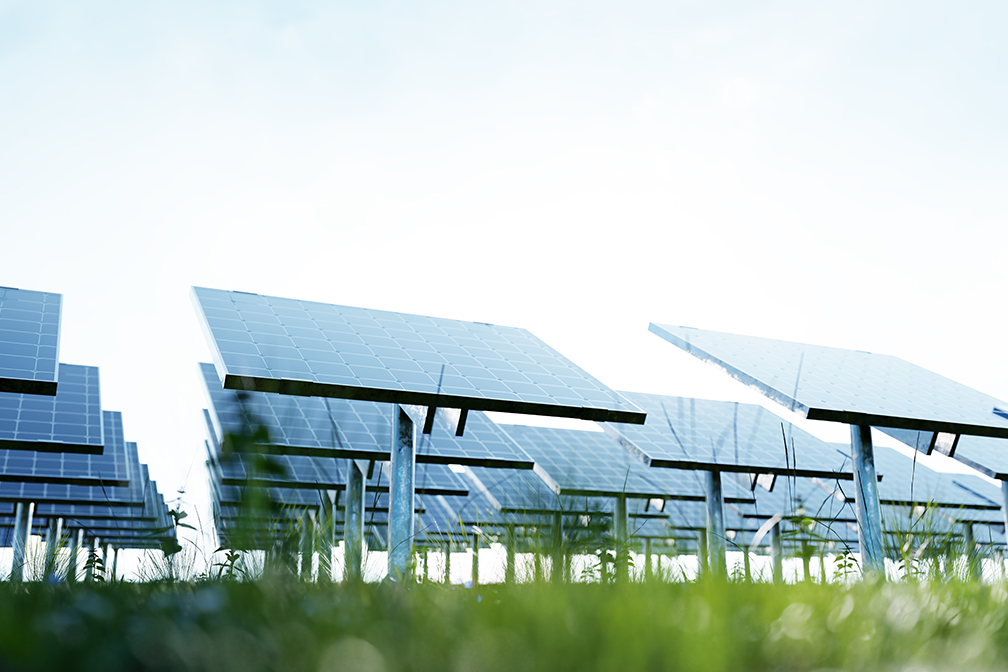
The clean energy narrative is one of optimism and innovation. Solar has become cheaper, more efficient, and globally scalable. But here’s the catch: the earliest solar systems are nearing the end of their 25–30-year lifespan. The result? A solar panel waste problem no one is truly ready for.
By 2030, global solar waste could reach 8 million tonnes. By 2050? A staggering 78 million tonnes. In Europe alone, over 1 million tonnes per year of panels could be retired within the next decade.
What Happens When Panels Die?
Solar panels are a mix of recyclable and hazardous materials:
- Glass, aluminium, silicon
- Copper, silver, plastic polymers
- Sometimes even lead or cadmium
Despite up to 95% of a panel’s materials being recyclable, today, less than 10% of decommissioned panels are properly processed. Most are:
- Shipped abroad
- Stored indefinitely
- Or dumped in landfill, leaking toxic materials
Clearly, the solar panel waste problem is more than an environmental inconvenience – it’s a growing threat.
Innovation Leading the Charge
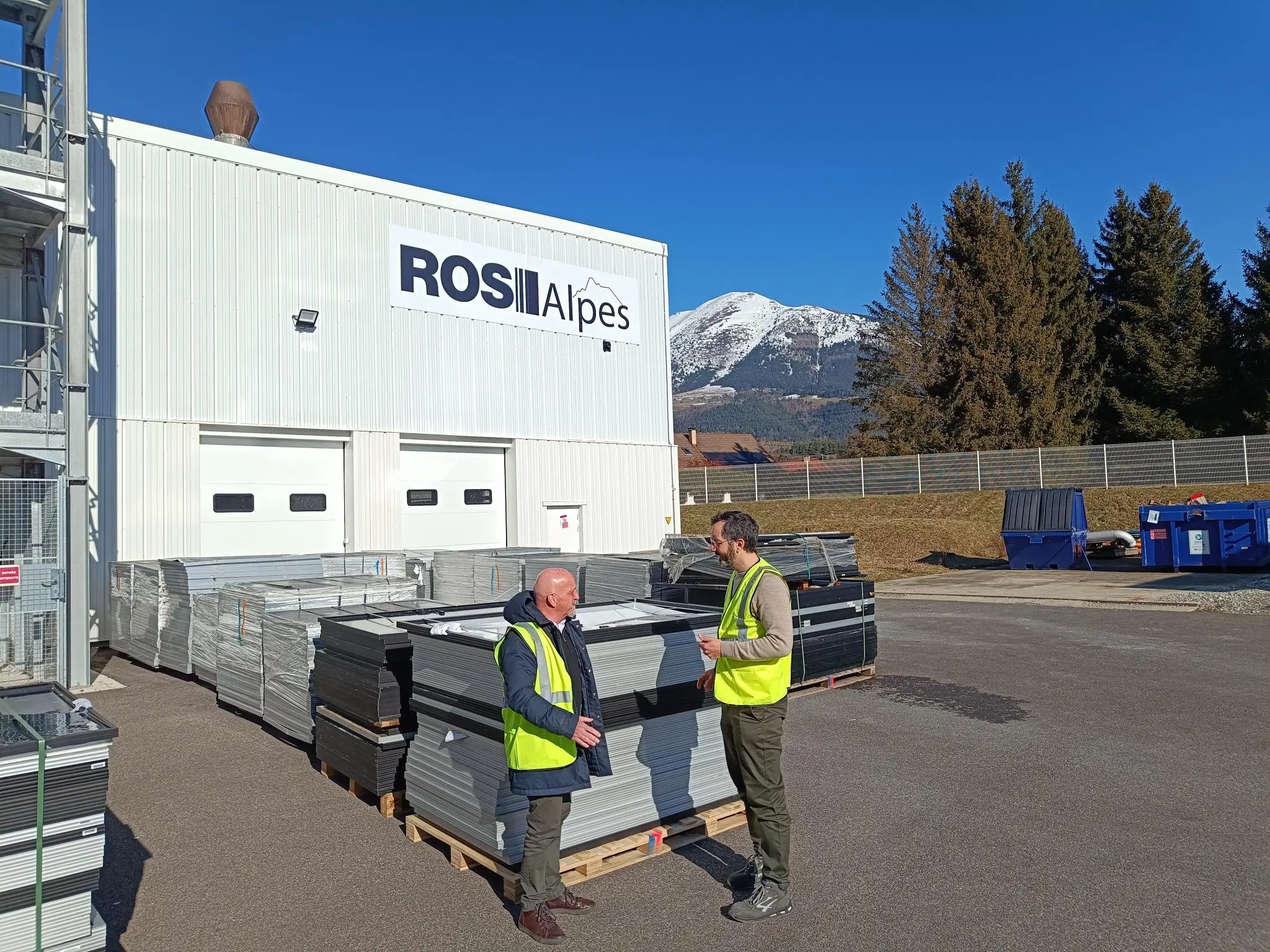
It’s not all doom and gloom. Companies like ROSI are making incredible strides. They’re developing high-efficiency recycling systems to recover:
- High-purity silicon
- Rare metals
- Valuable conductors like silver
Our partnership with ROSI shows that solving the solar panel waste problem is possible – but we must invest in scalable, circular solutions now, not later.
A Circular Economy on the Line
The most bitter irony? A solution meant to reduce environmental damage may become a source of long-term pollution if we don’t act. Worse, it’s a lost economic opportunity.
Recyclable materials in retired solar panels could be worth over €15 billion by 2050. Proper waste management could:
- Create new green jobs
- Strengthen European supply chains
- Reduce reliance on virgin materials
- Boost public confidence in clean tech
The Time to Act Is Now
The solar panel waste problem is real, growing, and urgent. Solar has the power to drive us into a greener future – but only if we face its lifecycle responsibly.
The energy transition isn’t just about installing panels. It’s about rethinking sustainability from start to finish. As we ask, “how many panels can we install?”, we must also ask, “what happens when they stop working?”
Let’s not wait for a waste catastrophe. Let’s get ahead of it – starting now.
Conclusion
The solar panel waste crisis is no longer a distant concern - it’s here, and it’s growing fast. As we accelerate toward a clean energy future, we must ensure our solutions don’t create new problems. Investing in scalable, circular recycling is essential to protect the environment, recover valuable materials, and uphold the promise of sustainability. The time to act isn’t in 2030 - it’s now.