.svg)




Recycling Solar Panels: Extending Their Life and Closing the Loop
Solar power is driving the UK’s transition to renewable energy. But what happens to panels at the end of their life? This UK solar panel disposal guide explores how recycling extends their life and supports sustainability.
Why Solar Panel Recycling Matters
As solar adoption accelerates, outdated panels pose a challenge. Landfilling isn’t an option – many panels contain hazardous substances, while valuable materials like silicon, silver, and aluminium could be lost forever.
By investing in solar panel recycling, we can:
- Prevent toxic waste from harming the environment.
- Recover valuable raw materials, reducing reliance on virgin resources.
- Support a circular economy where waste is minimised.
How Long Do Solar Panels Last?
Solar panels typically last 25–30 years, with gradual efficiency loss:
- First 10–12 years: ~10% efficiency drop.
- After 25 years: ~20% efficiency loss.
- Beyond 30 years: Still functional but with reduced output.
What You Need to Know
As part of a growing clean energy market, understanding how solar panels should be disposed of is essential for both individuals and businesses. This guide outlines legal responsibilities, best practices, and the benefits of proper recycling.
Solar Panel Waste Regulations
The UK follows the WEEE Directive, classifying panels as electronic waste that must be collected and treated correctly. Across Europe, producers are responsible for end-of-life panel disposal under this regulation.
With growing pressure to improve waste management, the UK must invest in recycling infrastructure to prevent a solar waste crisis.
The Environmental Impact of Solar Waste
Without proper recycling, the world could see over 60 million tonnes of solar panel waste by 2050. Panels often contain hazardous substances like lead and cadmium, making safe disposal essential.
Instead of letting solar waste become an environmental burden, recycling turns old panels into new opportunities.
Are Solar Panels Recyclable?
A common myth is that solar panels can’t be recycled. In reality, up to 95% of materials can be recovered but only through specialised processes. Common processes in the UK only recover <35%! As technology advances, recycling is becoming more efficient and cost-effective.
How Are Solar Panels Recycled?
Solar panel recycling depends on the panel type:
Silicon-Based Panel Recycling
- Aluminium frames & glass are separated, with glass processed and metal extracted.
Thermal processing at 500°C – Breaks down plastics while preserving silicon cells.
Silicon wafers are refined for new solar panels.
Thin-Film Solar Panel Recycling
- Panels are shredded into small fragments.
- Advanced separation techniques extract semiconductor materials.
- Cleaned glass is processed and repurposed for new applications.
Innovations in Solar Panel Recycling
- Solvent-Based Recycling – Extracts materials with minimal waste.
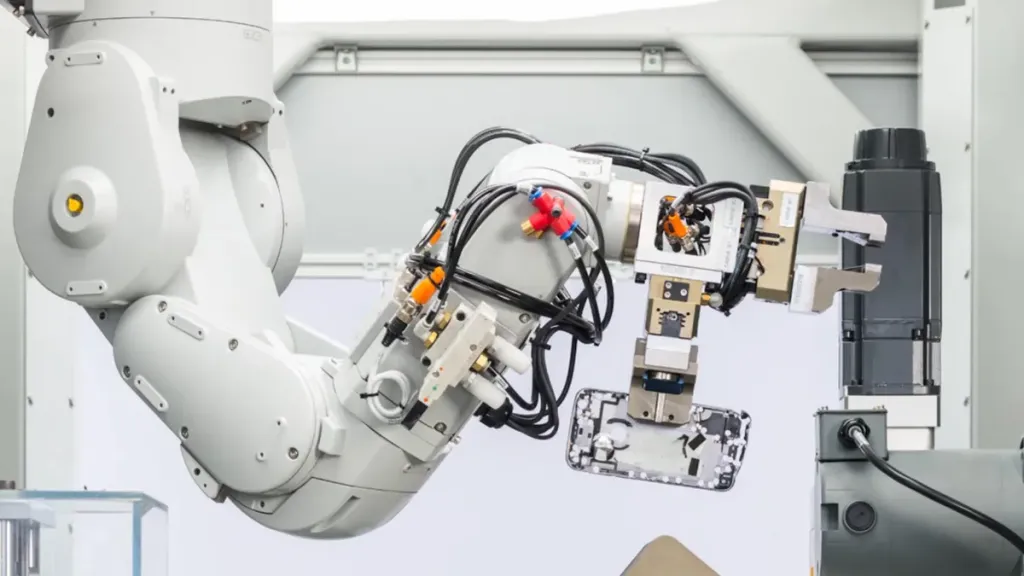
- AI & Robotics – Automates disassembly for higher recovery rates.
- These advancements are making solar recycling scalable and viable, driving a zero-waste future.
The Growth of the Solar Recycling Market
The solar recycling industry is booming. In 2022, the global market was worth £250 million and is projected to exceed £1.29 billion by 2028.
Governments are enforcing stricter regulations, while businesses prioritise sustainability, fuelling investment in a recycling infrastructure.
Solar Panel Recycling in the UK
The UK has embraced renewable energy, but solar waste processing is still in its infancy. By 2035, the UK will generate 30,000 tonnes of solar waste annually – making dedicated recycling infrastructure an urgent need.
The Future Benefits of Solar Recycling
By closing the loop on solar waste, we unlock environmental and economic benefits:
- Green Jobs – The industry will create thousands of skilled jobs.
- Economic Growth – By 2050, £11 billion in materials could be recovered.
- Sustainable Energy – Recycled materials could produce 2 billion new solar panels, generating 630 GW of renewable energy.

Conclusion
Solar panel recycling isn’t just a waste solution - it’s a strategic opportunity. With the UK facing a surge in solar waste, investing in advanced recycling systems is essential to protect the environment, reclaim valuable resources, and power the next generation of clean energy. The path to true sustainability isn’t just in how we generate energy, but in how we close the loop.